
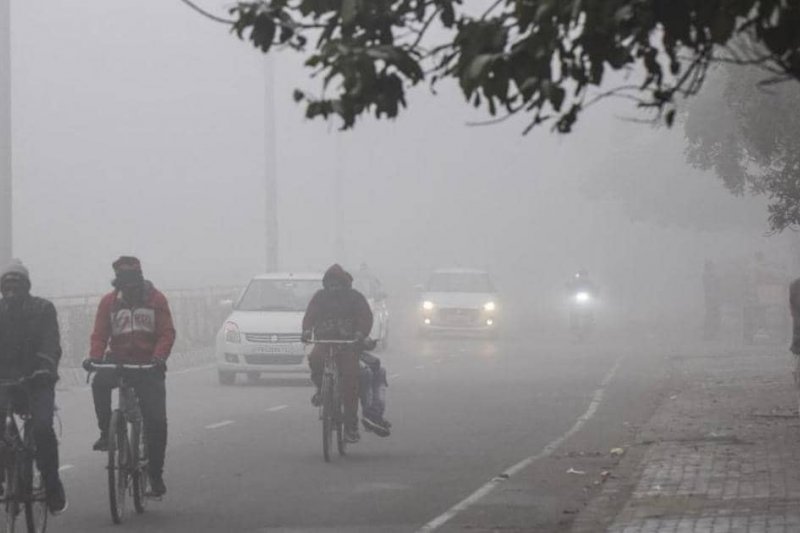
WB: Air Pollution Caused 2269 Victims in Albania during 2019
During 2019, over 10% of deaths in Albanis came due to air pollution, the World Bank recently reported. Albania had 79 deaths per 100.000 inhabitants from pollution or 2269 people, at the lowest regional levels, because, energy production is done 100 percent from clean sources (water), unlike the region that produces energy from coal.
Also, the countries of the region use substances that create pollution such as wood and coal for heating during winter, unlike Albania which uses electricity.
The World Bank noted that the air inhaled by people in the Western Balkans is often among the most polluted in the world. Air pollution remains the main factor of environmental risk which contributes to the higher number of deaths and disabilities taken together.
The negative effects of pollution continue to grow in the region - including health, environmental and economic impacts. Over the past 15 years, the World Bank has invested more than $ 250 million to increase energy efficiency and reduce air pollution and greenhouse gas emissions in the region - including initiatives to reduce overall heat demand, replacement of outdated wood and coal boilers and increasing the use of more efficient lighting.
One afternoon, at the end of February 2021, according to the Swiss website IQAir, the Air Quality Index (AQI) in Pristina, the capital of Kosovo, reached 298, leaving behind Lahore in Pakistan, Ulan Bator in Mongolia and about 100 other cities, and thus earning the dubious title of worst air quality at the moment compared to any other major city on the planet. During the day, the Air Quality Index in the capitals of Bosnia and Herzegovina, North Macedonia and Serbia hit between 165 and 214 - levels considered 'unhealthy' or 'very unhealthy'.
The air inhaled by people living in Sarajevo, Skopje, Belgrade and many other cities throughout the Western Balkans region is often among the most polluted in the world, especially in the winter months, when pollutants emitted by coal-fired power plants home heating systems, vehicles, industrial activities and other sources obscure the sun, pollute the environment and create hazardous respiratory conditions.
With 175 deaths per 100,000 inhabitants in 2019, Serbia topped the list of European countries for the highest rate of deaths from pollution and ranked 9th in the overall ranking of all countries in the world - even higher than India.
As the negative impacts of pollution continue to grow in the region, policymakers there continue to explore multidimensional approaches in order to overcome the health, environmental and economic impacts of these challenges.
Air pollution remains the main environmental risk factor contributing to the higher number of deaths and disabilities taken together. Moreover, the annual economic cost related to health damage from this pollution is staggering, on average for 2016 it was USD 240 million in Kosovo (3.6% of GDP), USD 750 million in North Macedonia (6.9% of GDP) and USD 1.38 billion in Bosnia and Herzegovina (8.2% of GDP).
(Source: Monitor)