
When Peace Opens Markets: Azerbaijan-Armenia Trade after Decades of Conflict
After more than three decades of conflict and virtually no economic relations, Azerbaijan and Armenia are beginning to establish commercial ties. Recent trade figures reveal a notable shift in relations between the two South Caucasus countries, as diplomatic progress is increasingly accompanied by practical economic cooperation.
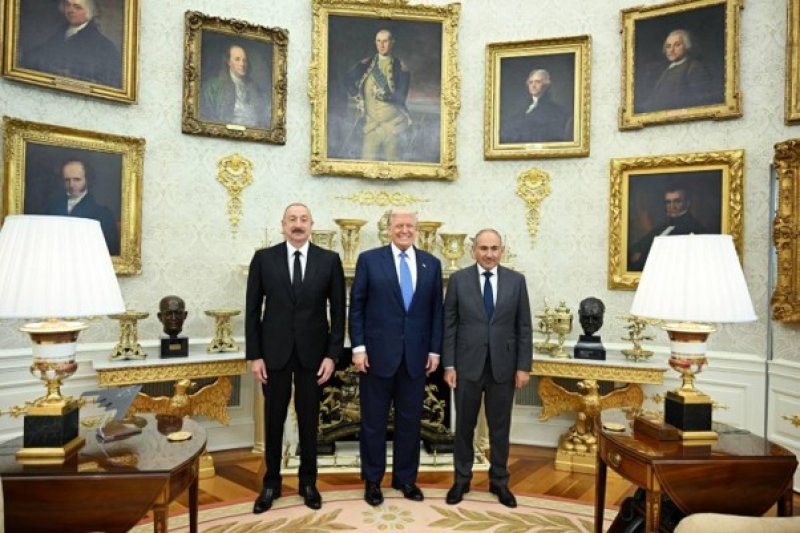
A major turning point came on August 8, 2025, when President of Azerbaijan Ilham Aliyev and Prime Minister of Armenia Nikol Pashinyan met in Washington, D.C., at a summit hosted by U.S. President Donald Trump. The meeting resulted in the signing of a Joint Declaration, while the foreign ministers of Azerbaijan and Armenia initialled the agreed text of the Agreement on Establishment of Peace and Inter-State Relations.
The Washington summit marked an important step towards ending decades of confrontation. Beyond the political agreements, it also opened the prospect of restoring transport connections, expanding regional trade and developing economic relations that had remained largely absent since the two countries regained their independence in 1991.
The first tangible signs of this change emerged in December 2025, when Azerbaijan began supplying domestically produced petroleum products to Armenia. On December 18, a shipment of 1,220 tonnes of AI-95 gasoline produced by the State Oil Company of Azerbaijan Republic (SOCAR) departed from Baku for Armenia via Georgia. It was the first such commercial delivery in decades, marking a significant departure from the previous absence of direct trade between the two neighbours.
According to Azerbaijan's State Customs Committee, the country's exports to Armenia amounted to approximately USD 788,800 in 2025. Although modest in value, the transaction represented an important development in the establishment of commercial relations.
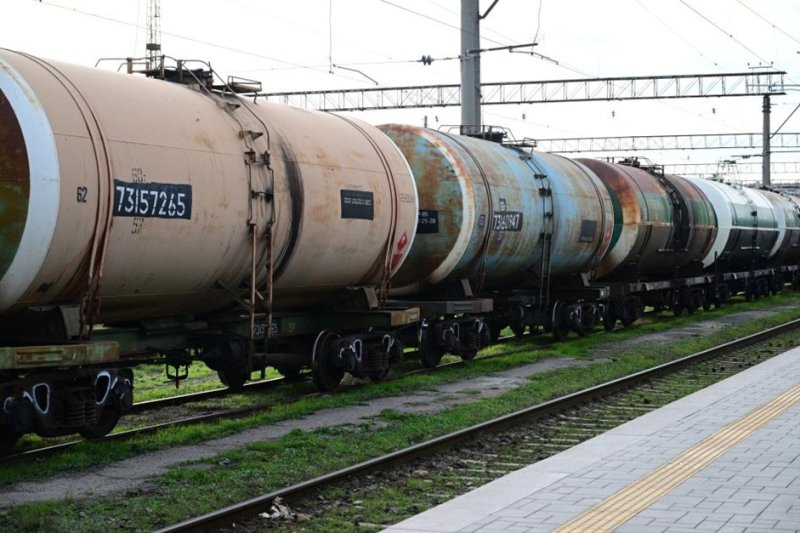
Trade expanded substantially during 2026. Official figures show that bilateral trade turnover reached approximately USD 23.55 million in the first nine months of the year, including USD 23.45 million in Azerbaijani exports to Armenia and approximately USD 96,460 in imports from Armenia.
Petroleum products accounted for 97.4 percent of Azerbaijan's exports. Between January and September 2026, the country supplied Armenia with approximately 18,910 tonnes of diesel fuel worth USD 20.09 million. Gasoline exports, including different grades of motor fuel, amounted to approximately USD 2.76 million. Azerbaijan also exported plastic construction materials valued at nearly USD 600,000.
Trade has also begun moving in the opposite direction. During the same period, Azerbaijan imported approximately USD 95,340 worth of aluminium foil from Armenia, alongside smaller quantities of fresh roses and clothing products.
While these figures remain relatively modest by international standards, their importance extends beyond their monetary value. For countries that had maintained virtually no commercial relations for more than thirty years, the emergence of two-way trade represents a meaningful change. It also illustrates how progress in political negotiations can create opportunities for economic engagement.
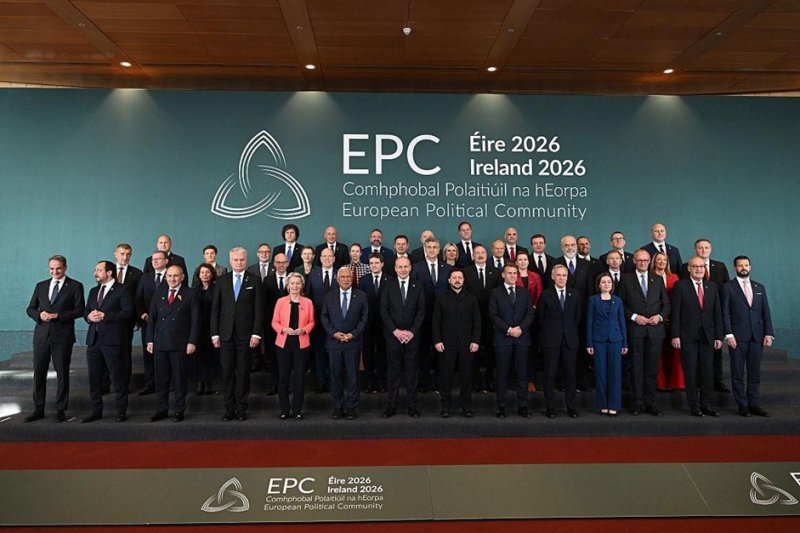
The developments are not limited to bilateral commerce. The restoration of regional transport and transit links has become another important element of the normalisation process. At their meeting in Dublin on November 12, 2026, held on the sidelines of the ninth European Political Community Summit, President Aliyev and Prime Minister Pashinyan discussed further steps towards consolidating peace, including transport connectivity, economic cooperation, border delimitation and confidence-building measures.
According to official information released following the meeting, approximately 105,000 tonnes of cargo had been transported to Armenia through Azerbaijani territory since November 2025. The figure reflects growing transit activity and the gradual reopening of transport opportunities in a region where political divisions had long restricted connectivity.
The two leaders also discussed the development of the Trump Route for International Peace and Prosperity (TRIPP), a connectivity initiative envisaged under the Washington Declaration. The project aims to facilitate transport links between mainland Azerbaijan and its Nakhchivan Autonomous Republic through Armenia, while offering broader opportunities for regional and international connectivity.
There are still challenges ahead. The peace agreement initialled in Washington requires further steps towards formal signing and ratification, while trade relations remain concentrated in a limited number of products. Nevertheless, the developments of the past year suggest that the normalisation process is beginning to acquire an economic dimension.
The significance of the emerging trade relationship lies not simply in the volume of goods exchanged, but in the fact that commercial cooperation is becoming possible after decades of confrontation. The transition from political dialogue to practical economic engagement offers an opportunity to strengthen confidence, encourage further interaction and support long-term stability.
For the South Caucasus, the developments since the Washington summit point towards a future in which transport connections, trade and economic cooperation could play an increasingly important role in relations between neighbouring countries. The challenge now is to build on these initial steps and turn the progress achieved at the diplomatic level into lasting peace, stability and regional cooperation.