
'Euro’s Decline; BoA Cannot Measure Illicit Money'
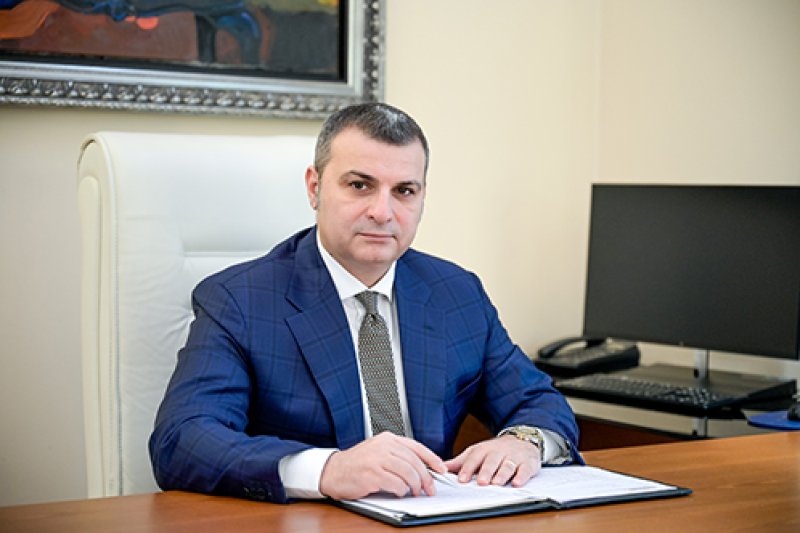
The Albanian Lek’s continued appreciation against the Euro is primarily driven by substantial foreign currency inflows, Bank of Albania Governor Gent Sejko said on Wednesday, stressing that the exchange rate is determined by market forces rather than the central bank.
Speaking at the “The Future of the Economy” conference, organised by Monitor magazine, Sejko responded to concerns raised by businesses over the weakening euro and its impact on companies operating in Albania. “First, I want to clarify that the exchange rate is determined by the market and not by the Bank of Albania. This is a recurring misunderstanding, including in discussions we have held with large businesses,” Sejko said.
He explained that Albania operates under a free-floating exchange rate regime, meaning that the value of the national currency is determined by the supply and demand for foreign currency. The central bank publishes the average exchange rate but does not set its level.
Sejko argued that a floating exchange rate allows the economy to absorb external and domestic economic shocks through currency movements, rather than transferring their full impact to consumer prices.
Under a fixed or managed exchange rate regime, such as those adopted by some other countries, businesses might face less direct exposure to exchange rate fluctuations. However, the pressure would instead be reflected in inflation and potentially higher prices, he said. “There is no perfect theoretical solution that allows you to fix the exchange rate while simultaneously avoiding any impact on prices,” the governor said, describing the exchange rate as an automatic shock absorber for the economy.
Although the Bank of Albania occasionally intervenes in the foreign exchange market, Sejko said such operations are conducted in accordance with its legal mandate, which focuses on price stability and financial stability, including the soundness of the banking sector.
Addressing questions over the possible contribution of illicit money to the euro's decline, Sejko acknowledged that the issue frequently generates debate but said the central bank does not have the capacity to directly measure such financial flows.
Sejko acknowledged that isolated cases could exist but maintained that Albania's banking sector is subject to strict supervision and controls, both by domestic institutions and international authorities.
He also stressed that investigating and preventing illicit financial flows falls primarily under the responsibility of law enforcement agencies rather than the central bank, whose powers are clearly defined by law.
Nevertheless, the governor pointed to a broader economic explanation for the lek's appreciation: the substantial inflows of foreign currency into Albania, particularly euros.
According to Sejko, if the economy continues to grow sustainably over the long term, supported by strong foreign currency inflows, the national currency will naturally face appreciation pressures as the supply of euros increases.
The Lek's strength against the euro has been a concern for businesses, particularly exporters and companies whose revenues are denominated in euros while their operational costs are largely paid in Lek.