9.2% Increase of Visitors in Accommodation Structures
The number of visitors staying in accommodation establishments across Albania increased by 9.2% in September 2026 compared with the same month last year, suggesting continued growth in tourism demand beyond the traditional summer season.
According to data published by the Albanian Institute of Statistics (INSTAT), the number of resident visitors rose by 12.7%, while non-resident visitors increased by 8.1%. Foreign visitors accounted for approximately three-quarters of the total, reaching 437,885 during the month.
Overnight stays also recorded positive growth, increasing by 7.5% year-on-year. Overnight stays by foreign visitors rose by 6.9%, while those by Albanian residents increased at a faster pace of 9.3%.
Hotel room occupancy reached 54% in September, up from 52.7% in the same month of 2025, indicating a moderate improvement in the utilisation of accommodation facilities.
Kosovo remained Albania's largest source market for foreign visitors, accounting for 13% of all non-resident arrivals in accommodation establishments. Italy followed with 11%, ahead of Poland at 10%, France at 9% and Germany at 8%.
Regional figures showed particularly strong growth in northern Albania, where the number of visitors increased by 23.1%. The southern region welcomed the largest number of visitors, approximately 224,000, representing an annual increase of 14.9%.
By contrast, the central region, which includes Tirana and Elbasan, recorded a 6.5% decline. Coastal areas continued to dominate the country's tourism activity, attracting approximately 393,000 visitors, or 68% of the national total.
The September figures come after a relatively subdued summer season and reflect expectations among tour operators that Albania's tourism season could increasingly extend into the autumn months.
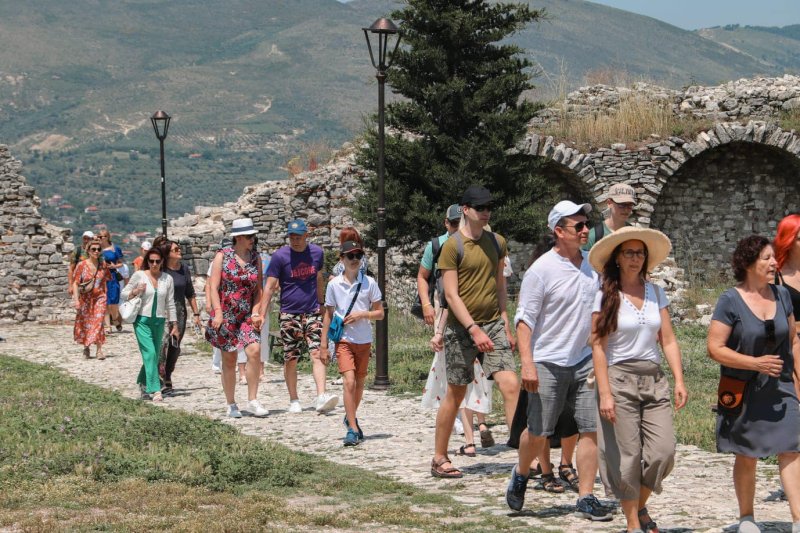
Industry operators had previously pointed to continued bookings for seaside holidays until early October. Meanwhile, cultural tourism has been gaining interest during both spring and autumn, offering opportunities to attract visitors outside the peak summer period.
The trend is particularly relevant for Albania's tourism sector, which has traditionally concentrated much of its activity in July and August. Extending the season could help accommodation providers and tourism businesses maintain activity for longer, while reducing the sector's dependence on a relatively short summer window.
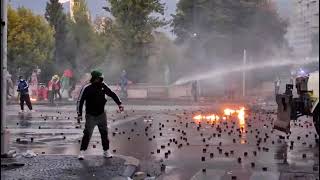
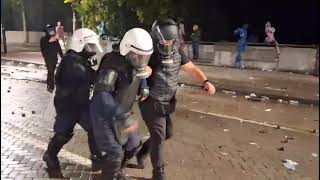
However, whether September's growth will translate into a stronger autumn season remains uncertain. Tourism operators have reported a decline in confirmed bookings during October, attributing part of the slowdown to political tensions and protests in the country.
The performance of the sector in October and November will therefore provide a clearer indication of whether Albania is managing to establish a longer tourism season or whether September's increase represents a temporary extension of the summer travel period.