Kosovo Won't Allow December 17 Voting in Areas Inhabited by Serbian Majority
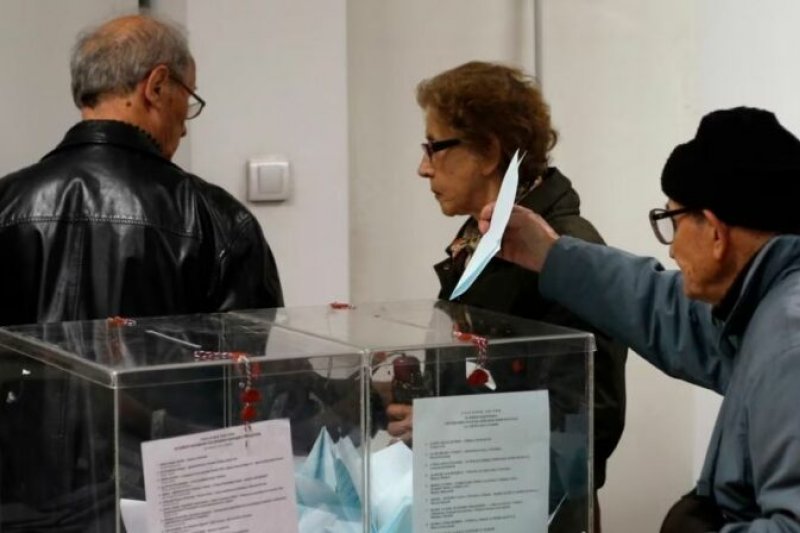
Kosovo Serbs who want to participate in the Serbian parliamentary elections on December 17, seem to travel to Serbia to cast their vote, while Pristina has not allowed the opening of polling stations in Kosovo. The head of the office for Kosovo in the Serbian government, Petar Petkovic, gathered representatives of the Kosovo Serbs in Raska, a municipality in southwestern Serbia, on Wednesday to discuss ways of their inclusion in the polls.
The meeting was organized shortly after he informed the Election Commission in Serbia that "it is not possible to hold Serbian parliamentary elections in Kosovo", since, as he said, "the regime of the Provisional Institutions of Self-Government in Pristina, headed by Albin Kurti, conditions the holding of these elections with the recognition by Belgrade of the unilaterally declared independence of the so-called Kosovo". In early November, Belgrade asked the OSCE mission in Kosovo to be involved in collecting the votes of Kosovo Serbs who have dual citizenship, for the elections in Serbia. The OSCE said that it has informed the government of Kosovo and other important mechanisms about this request.
The Prime Minister of Kosovo, Albin Kurti, in a response to the request of the OSCE, said that "for the voting of the citizens of the Serbian community in Kosovo, with dual citizenship, in the Serbian elections outside the Liaison Office of Serbia in Kosovo, an agreement must be reached special between Kosovo and Serbia. The request for such an agreement must come from Serbia, as an interested party. And every request must be based on the sovereignty and independence of Kosovo, as equal states, in accordance with Article 2 of the Basic Agreement reached this year between Kosovo and Serbia".
In the past, the elections of Serbia in Kosovo have been facilitated by the OSCE mission and until 2020, Kosovo has not prevented their organization. The votes were collected by the OSCE and sent to Serbia for counting. But, in April 2022, Prime Minister Kurti's government said that Serbia should make a direct request to Kosovo to hold elections in its territory. Serbia refused and as a result Serbian voters from Kosovo have voted in Serbia. In January 2022, the government of Kosovo refused to hold a referendum of Serbia in its state, offering the possibility that this could happen through the post office or the Serbian liaison office in Pristina, which was rejected by Belgrade.
On November 1, Serbian President Aleksandar Vu?i? announced the holding of new parliamentary elections on December 17, the third in a row in Serbia in three and a half years. Their announcement and holding takes place in a period of Western diplomatic efforts to normalize Kosovo-Serbia relations, amidst the tensions that followed an attack by a group of armed Serbs on the Kosovo police on September 24. The attack was carried out by Milan Radoicic, the former vice-president of Lista Serbe, the main party of Kosovo Serbs which was founded and supported by Belgrade.
On October 27, the leaders of the main European countries, France, Germany and Italy, asked Kosovo for more autonomy for the Serbian minority, while Serbia "de facto" recognized Kosovo's independence. The demands are part of renewed efforts to push for the fulfillment of an agreement reached earlier this year in Brussels and Ohrid. Observers note that holding the Serbian parliamentary elections in this period could delay the implementation of the agreement, already delayed.
(Source: VOA)