2026 WTCA EUROPEAN CONFERENCE RECAP: Five Takeaways from the Conference Shaping the Future of Business in the Region
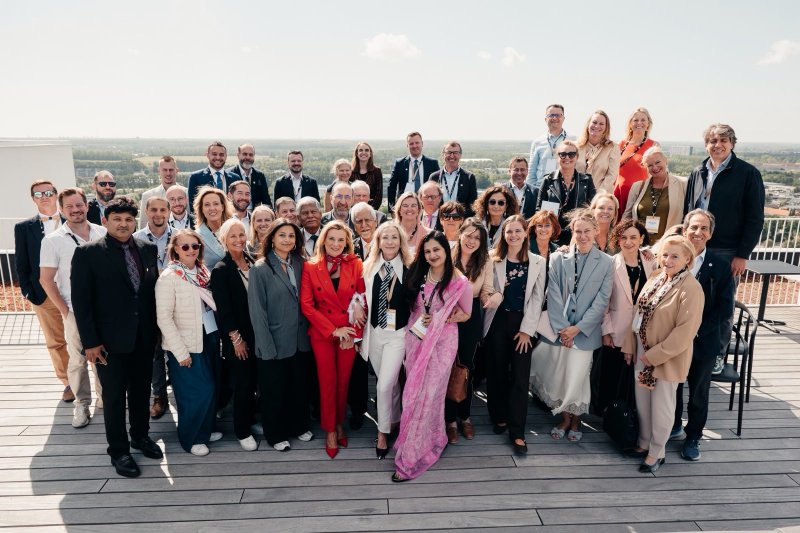
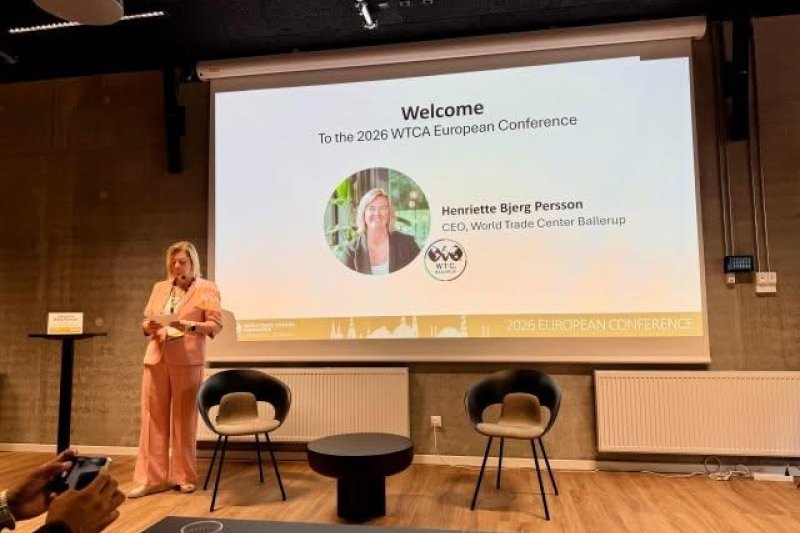
In today’s increasingly complex global business environment, business networks have become one of the key drivers for creating new opportunities, exchanging knowledge and connecting markets. These were among the central themes discussed at the 2026 World Trade Centers Association (WTCA) European Conference, held in Ballerup, Denmark, which brought together leaders from WTC organizations, business communities and investment circles from across Europe.
The discussions focused on the topics shaping the future of business, from trade uncertainty and new models of international cooperation, to the role of artificial intelligence in real estate development and business locations, sustainable growth and stronger European business connectivity.
For companies in the wider region, the Conference conclusions raise important questions about how cities, business communities and investors can work together more effectively to create new opportunities for growth.
1. Trusted business networks are becoming an increasingly important asset in a changing environment
One of the key messages of the Conference was that companies today need more than access to markets. They also need trusted partners who can help them navigate new opportunities and challenges. International networks such as WTCA connect companies, cities and institutions, creating opportunities for new business relationships, investments and knowledge exchange.
For markets across the Balkans, where many companies are looking to expand internationally, these platforms can play an important role in connecting local potential with global opportunities.
“This event was particularly meaningful for us as a future investor in additional World Trade Center (WTC) licenses, as it provided a valuable opportunity to engage with WTCA Board Members and leaders from WTC businesses across the global network. I personally experienced firsthand the extraordinary value and strength of the WTCA community, particularly through the dedication of female leaders managing various WTC locations across Europe, as well as the support provided by the WTCA regional team. I returned to Italy with fresh ideas, valuable professional connections and, above all, a strong sense of belonging to a truly unique international community,” said Raffaella Carnevale, Special Advisor at Ploutus Holdings LLC.
2. Technology is changing how we define competitive business locations

Artificial intelligence and emerging technologies are increasingly influencing real estate development and the way companies evaluate business locations. Modern business infrastructure today goes beyond physical space. Efficient building management, data-driven decision-making, energy efficiency and digital solutions are becoming important factors of competitiveness.
For cities across the region, this means that the future development of business zones will depend not only on new investments in facilities, but also on their ability to provide smart, sustainable and connected business environments.
3. Sustainability is becoming an integral part of business strategy
Discussions around sustainable trade highlighted that sustainability is no longer a topic limited to corporate responsibility. It increasingly shapes how companies operate, select partners and participate in global value chains.
For companies from the wider region that are connected to European markets, sustainable practices are becoming an important element of long-term competitiveness, influencing areas ranging from production and logistics to energy and the development of new business models.
4. The Øresund example demonstrates the power of connecting cities and markets
One of the inspiring sessions “Corridors of the Future: Mega-Infrastructure for Sustainable Trade“ discussed at the Conference was the cooperation within the Øresund region via the Fehmarnbelt Tunnel, which connects Denmark and Sweden through a shared approach to business development, infrastructure and investment.
This example carries an important message for the Balkans. When cities and business communities work together, borders between markets can become less of a barrier and more of an opportunity. Stronger regional connectivity can enable easier access to investment, knowledge and international partnerships.
5. The value of a business network is measured throughout the year
The 2026 WTCA European Conference once again demonstrated that the strength of an international network is not defined only by the meetings that take place during events, but by the cooperation that follows through business connections, investment projects and joint initiatives.
This is also reflected in the experience of Eglent Bici, CEO of Best Invest shpk, and CEO & Founder of MEI Realty from Albania.
“It was a privilege to participate in the WTCA European Conference, graciously hosted by WTC Ballerup and supported by a highly professional WTCA regional team. The event featured inspiring presentations, valuable B2B meetings, memorable experiences and, most importantly, productive discussions about cooperation, investment potential and business opportunities we can create by connecting assets, cities and people across borders.”
He added that, as an investor in a WTC license, the vision of bringing the WTC brand and global network to Durrës carries particular significance, as it would mark Albania’s first presence within this international business platform.
“There is still significant work ahead of us, but we are now more determined than ever to create an internationally connected destination that can attract investment, support Albanian businesses, welcome global partners and open new opportunities for cooperation between Albania and the world.”
For Balkan countries the conclusions from the 2026 WTCA European Conference serve as a reminder that the future of business increasingly depends on the ability to connect knowledge, people and markets. Through stronger business networks, regional cooperation and openness to international partnerships, companies and cities can create new opportunities for growth and development.