
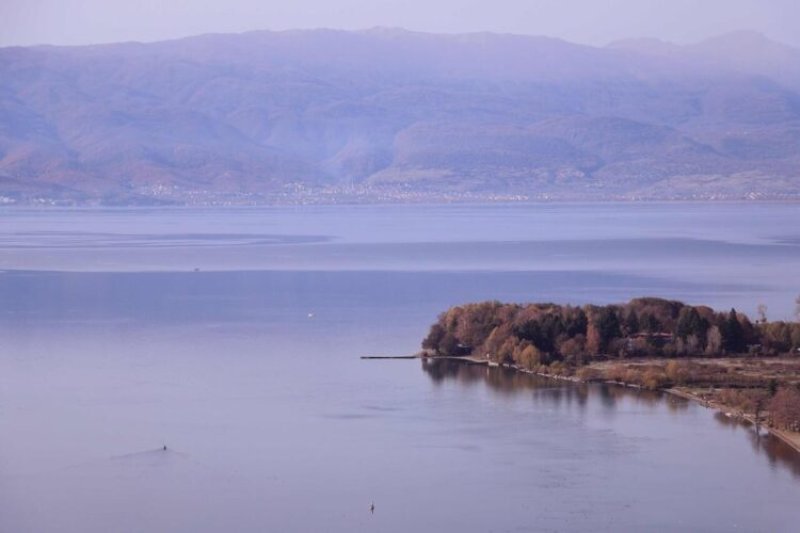
Lake Ohrid Avoids UNESCO Danger List, but Environmental Threats Remain
The Lake Ohrid region, spanning protected areas in Albania and North Macedonia, has once again avoided being placed on UNESCO’s List of World Heritage in Danger, but international experts warn that serious threats to the site remain.
The UNESCO World Heritage Committee concluded that the region still faces significant environmental and urban pressures and has given the two countries a five-year period to implement recommended measures aimed at protecting the lake and its surrounding ecosystem.
According to UNESCO assessments, the main challenges include illegal construction, uncontrolled urban development, damage to the lake shoreline, inadequate wastewater management and insufficient protection of the fragile ecosystem.
Environmental and world heritage expert Arian Merolli told Amfora.al that the new deadline should not be interpreted as a sign that the risks facing the region have been resolved.
"In my view, this is not a hopeful decision," Merolli said, arguing that since 2020 he has followed the process and observed that some responsible institutions lacked sufficient information about the rehabilitation strategy and action plan.
Merolli said that the strategy approved by both countries should be accompanied by a detailed implementation plan, including clear deadlines and defined responsibilities for each measure designed to safeguard Lake Ohrid.
Lake Ohrid, one of Europe’s oldest and deepest lakes, is recognized for its exceptional biodiversity and cultural significance. Conservation efforts require continued cooperation between Albania and North Macedonia to address the environmental pressures threatening the UNESCO-listed region.