
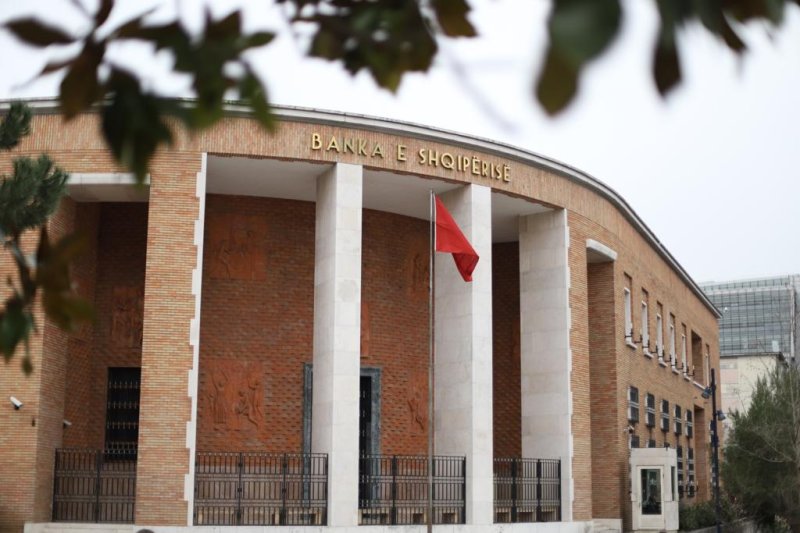
Strong Lek Pushes BoA’s Capital to Historic Low
The continued appreciation of the Albanian lek has pushed the Bank of Albania’s capital to its lowest level on record, with the central bank reporting a negative balance of Lek 31.6 billion at the end of October.
Official statistics show a slight improvement from the negative Lek 31.7 billion recorded in September, but the figures remain at historically low levels.
The central bank's capital has remained largely negative since early 2023, when interest rates began rising sharply. However, the appreciation of the lek and its impact on the value of the Bank of Albania's foreign currency reserves have also contributed significantly to the deterioration.
The central bank holds substantial foreign currency reserves to address potential emergencies affecting the economy and financial sector. However, because its balance sheet is reported in lek, the appreciation of the domestic currency reduces the value of those reserves when converted into the local currency.
In 2025, net losses from exchange-rate movements reached 24.1 billion lek, an increase of 79% compared with the previous year.
The negative effect has intensified further this year as the euro has fallen to new historic lows against the lek. Its annual depreciation has approached 6.5%, adding to the losses recorded from foreign exchange movements.
The developments highlight the impact of currency fluctuations on the central bank's balance sheet, as the stronger lek reduces the domestic-currency value of its foreign assets.
The negative capital figure does not indicate that the central bank is unable to meet its financial obligations. Rather, it reflects an accounting imbalance, largely driven by exchange-rate losses on its substantial foreign currency reserves as the lek has appreciated against major currencies. Since the Bank of Albania reports its balance sheet in the domestic currency, the stronger lek reduces the recorded value of its foreign assets.