When European Standards Become Everyday Rights in Albania
For many Albanians, the value of European co-operation is measured not in documents, but in whether people can access justice, receive fair treatment and feel safe and respected. After ten years of joint work, the challenge is to make that progress lasting.
A court case begins with a simple question: when will I receive justice?
For families or individuals, waiting for a decision about property, trying to resolve a dispute, or seeking protection from discrimination, justice is not an abstract principle. It means understanding what is happening, obtaining reliable information and seeing a case move forward without unnecessary delays.
This is where European standards matter. They are found in laws, court judgments, recommendations and strategies, but their value is measured by how people experience public institutions. They should help citizens access justice, receive fair treatment, be protected from discrimination and express their views freely.
For a decade, the European Union and the Council of Europe have worked together in Albania and across the Western Balkans and Türkiye through the Horizontal Facility programme with a shared purpose: to strengthen democracy, the rule of law and human rights, in line with European standards.
One example is the effort to make the justice system easier to navigate. New digital tools and specialised training have helped court users and legal professionals manage proceedings more easily and effectively. For people, this means clearer procedures, better access to information and less time waiting for justice to be delivered.
These improvements may seem less visible than the adoption of a major law. Yet they determine whether a person understands where to go, what to do and how a process is progressing. They can also influence whether people trust the justice system enough to seek its protection when they need it.
This is the difference between a standard on paper and a right in everyday life.
The same principle applies to people deprived of their liberty. A society’s commitment to human rights is tested where people depend on institutions for their safety and well-being. Cooperation with Albania’s prison authorities has strengthened staff’s ability to protect human rights, identify and address mental health needs. This has contributed to better treatment and access to specialised support for people in detention.
The fight against corruption, economic crime and money laundering is also directly connected to daily life. When public money is misused, fewer resources are available for schools, healthcare and services. More than 1 800 public officials strengthened their skills to protect public funds, reduce misuse and help resources reach those most in need. These efforts contributed to Albania’s progress in leaving the Financial Action Task Force’s global “grey list” for money laundering. This achievement matters, but it is not an endpoint: it must be followed by sustained oversight and an administration serving the public interest.
European standards also matter when people face discrimination or feel excluded from public life. Hundreds of police officers, cadets and community leaders took part in activities designed to strengthen their ability to recognise and address discrimination. Awareness-raising initiatives on diversity reached more than half a million people across Albania. Their importance lies not only in numbers, but in the communities, they can help build: communities where people feel safe, valued and able to participate.
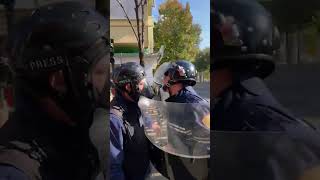
The same is true for freedom of expression. Journalists must be able to report on matters of public interest without fear, while citizens need access to accurate and independent information. Safety protocols for journalists and police training have helped create a safer environment for journalism in Albania, but continued progress requires institutional commitment, professional standards and respect for independent media.
The experience of the past decade shows that reform cannot be achieved through legislation alone. Institutions must apply standards consistently. Professionals must turn knowledge into practice. Civil society must remain engaged and people must know and claim their rights.
Change is rarely immediate or linear. Progress appears in stronger systems, better services and safeguards. Other progress is quieter: a citizen who is more confident seeking justice, a professional responding differently to discrimination or a community willing to stand together. The task is to sustain reform until it becomes the normal way institutions work and people experience their rights.
As the third phase of the Horizontal Facility programme comes to an end, Albania has an opportunity to look beyond the laws adopted, strategies developed and institutions supported and ask what these changes have made possible in practice. The next phase of the programme is expected to begin in 2027, building on progress while addressing the lingering challenges. Its purpose should be clear: to strengthen the foundations of a society capable of protecting democracy, human rights and the rule of law, especially in difficult times.
The lasting value of the Horizontal Facility will continue to lie in this shared goal: ensuring that European standards do not remain words on paper, but become a sustainable part of the everyday lives of all Albanians.
/ADN
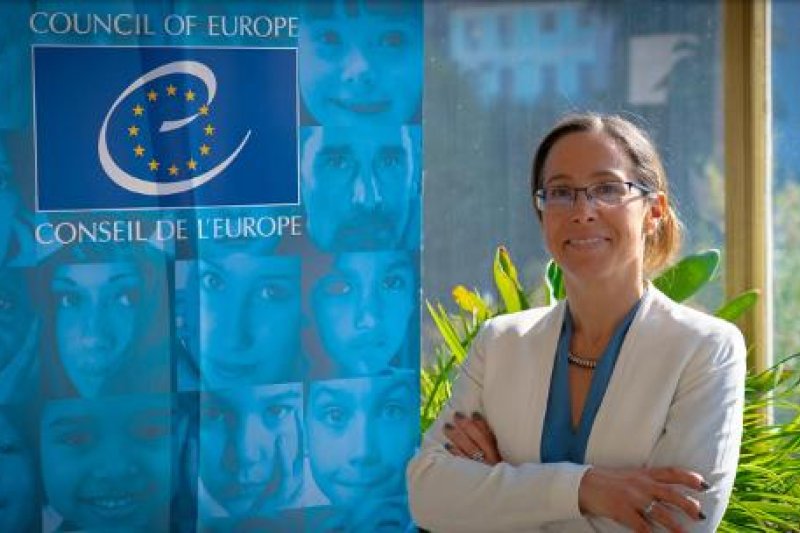
*Head of the Council of Europe Office in Tirana