
Where the Way Leads, the Hearts of the People Follow
This September marks another intensive season of head-of-state diplomacy for China. Following his visit to Central Asia and the Middle East, President Xi Jinping embarked on a diplomatic tour to South Asia. The international community has closely followed these engagements and agreed that, amid turbulent international situation and frequent regional conflicts, China focuses on development, advances practical cooperation, upholds multilateralism and improves global governance, highlighting China’s position on addressing global challenges.
In September 2025, the Global Governance Initiative (GGI) was proposed in response to global changes, aiming to tackle governance deficits. The GGI provides systematic solutions to the fundamental questions of who governs, how to govern and whom it serves, offering China’s proposal for upholding the international order and improving global governance.
Over the past year, the GGI gained support from nearly 160 countries and international organizations and over 60 countries joined the Group of Friends of Global Governance. The GGI has advanced the expansion of the BRICS and the Shanghai Cooperation Organization. It advocated reforms of institutions including the International Monetary Fund and the World Bank, and effectively raised the voice of the Global South on multilateral platforms. At the panel on "China and the Global Governance Initiative", which was held on the sidelines of the 13th Baku Global Forum in Azerbaijan this March, many participants agreed that the GGI has brought stability to the turbulent and changing world.
Over the past year, the GGI focused on taking actions and achieved solid progress. At the multilateral level, the Group of Friends of Global Governance has substantively engaged in UN agenda as a dedicated platform for dialogue on global governance. It delivered a joint statement at the UN General Assembly Briefing on the UN80 and took part in the general debate of the 79th World Health Assembly, proposing the three principles of equal participation, multilateral cooperation and people-centered approach. At the bilateral level, the GGI has been incorporated into the joint statements between China and countries including Cuba and Canada. Heads of state and government of Portugal, Spain and other nations have recognized the role of the GGI. These documents and statements demonstrate that the GGI has established a pragmatic policy framework for cooperation and implementation.
Over the past year, China actively advanced the implementation of the GGI. Under China's initiative, the International Organization for Mediation was officially launched. In this May, it successfully resolved its first international maritime dispute, filling an institutional gap in international mediation. China has announced 2035 Nationally Determined Contributions and set up the Kunming Biodiversity Fund, taking an active part in global climate and ecological governance. The World Data Organization and the World Artificial Intelligence Cooperation Organization have been established in China one after another. China is aligning its actions with multilateral mechanisms to inject fresh dynamism into the transformation of the global governance system.
The international system established after World War II has been severely disrupted by multiple crises, placing global governance at a critical crossroads. Progress is imperative; failure to advance risks falling behind. Rooted in both immediate realities and long-term prospects, the GGI strives to address practical issues concerned by many countries, especially the vast number of developing nations, and tackles the crux and root causes of crises and challenges. UN Secretary-General António Guterres stressed that the GGI is rich in connotation, and its core concepts are highly consistent with the values upheld by the United Nations, and it has effectively responded to the international community’s strong call for reforming and improving the global governance system.
China promotes a global governance system characterized by extensive consultation and joint contribution for shared benefit. It works to reform and improve the global governance system on the basis of broad consultation and consensus-building. The APEC Economic Leaders’ Meeting in Shenzhen and the G20 Miami Summit will convene in the coming months. These events serve both as a window to observe global governance and an opportunity to build international consensus. Guided by the goal of building a community with a shared future for humanity, China will work with various parties to better advance the implementation of the GGI and build a more just and equitable global governance system with collective actions and common purpose.
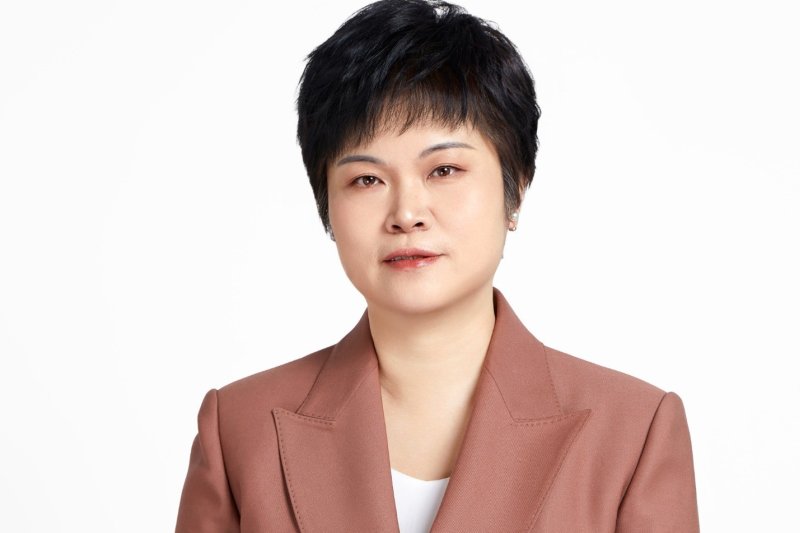
*Ms. Pang Chunxue is the Ambassador of the People’s Republic of China to Albania