Budget Surplus Widens 33% y/y in Jan-May
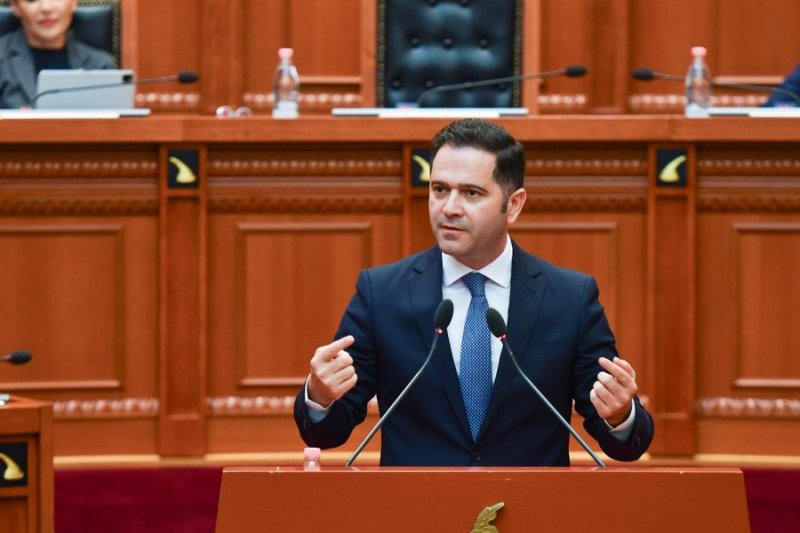
Albania's consolidated budget was in surplus of Lek 53.7 billion (Dollar 657.1 million/Euro 566.4 million) in the first five months of the year, up from Lek 40.4 billion surplus recorded in the same period of 2025, the Finance Minister Petrit Malaj said on Wednesday, citing official data.
Consolidated budget revenue rose 11.2% on the year to Lek 340.5 billion in the period under review, the minister said in a statement, quoting preliminary figures. Tax and customs revenues increased 5.9% on the year, amounting to Lek 215.5 billion.
Expenditures increased by 7.4% year-on-year to Lek 286.8 billion in January - April.
Albania's consolidated budget recorded a deficit of Lek 47.1 billion in 2025, after ending 2024 with a deficit of Lek 18.3 billion. According to official statistics, revenues collected by taxes and customs exceeded the plan by Lek 4.1 billion or 1.9%. Compared to the same period in 2025, budget revenues are Lek 12.1 billion higher, or 5.9% more.
The tax administration collected Lek 120.3 billion, an increase of 8.6% compared to the first five months of last year and 5.1% above the plan. Meanwhile, net VAT revenues in the country reached Lek 35.8 billion, 17.6% more than a year earlier.
Significant increases were also recorded in personal income tax revenues, which were realized at the level of Lek 40.2 billion, or 18.1% more than in the same period of 2025.
On the other hand, special funds, which include social and health insurance, generated Lek 82.9 billion, exceeding the plan and marking an increase of 12.8% on an annual basis.
The customs administration collected Lek 95.2 billion from VAT on imports, excise duties, customs taxes and mineral royalties, or 2.7% more than in the first five months of 2025.
According to statistics from the Ministry of Finance, total public expenditures for the period January-May 2026 compared to the same period last year, they have increased by Lek 19.7 billion or 7.4%.
Capital expenditures were realized at Lek 25.9 billion, 9.4% more than a year earlier, reflecting the continuation of public investments during the first months of the year.