New Draft Law on the Mining Sector, Changes to Permit Criteria
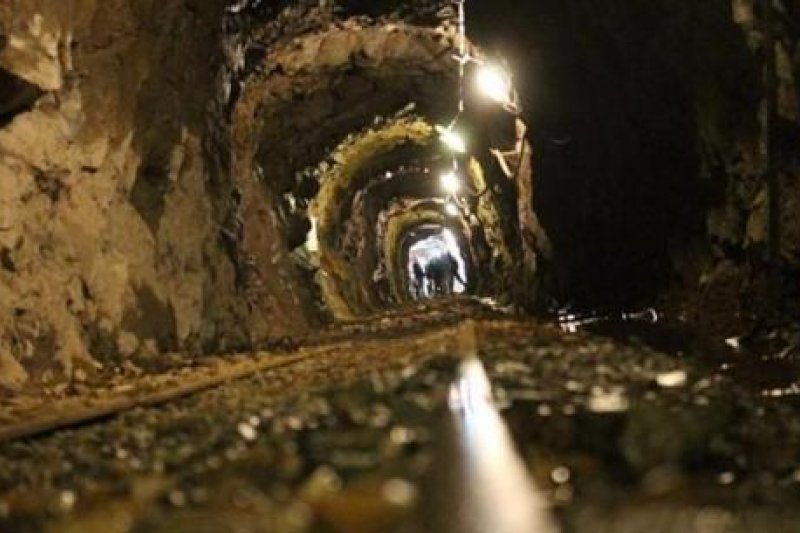
Expanding the range of entities eligible for mining rights, streamlining administrative procedures, and strengthening obligations for the rehabilitation of exploited areas are among the changes proposed in the new draft law "On the Mining Sector," released for public consultation by the Ministry of Infrastructure and Energy.
The draft law stipulates that mining activities may be conducted by natural persons, in addition to domestic and foreign legal entities. According to the accompanying explanatory memorandum, this right is contingent upon meeting technical, financial, and environmental criteria established by legislation.
Another change concerns financial guarantees for mining activities; the proposal allows these to be secured through foreign banks as well. This removes the restriction requiring guarantees to be issued solely by commercial banks operating in Albania. According to the Ministry, these measures aim to align regulations with the European Union directive on services in the internal market and to eliminate unnecessary obstacles for operators. The draft law also establishes a maximum period of 12 months for the rehabilitation of mined areas, commencing upon the expiration of the permit's validity or the date of the decision to revoke it.
If the permit holder abandons the site or fails to complete the rehabilitation plan within this timeframe, the full rehabilitation guarantee will be forfeited to the state and used to carry out the necessary rehabilitation works.
Changes are also envisaged regarding reporting requirements for exploration permit holders. It is proposed that the current quarterly reporting be replaced with reporting every six calendar months, citing the need to reduce the administrative burden and align with the reporting schedule for exploitation permits.
The draft law further stipulates that the conditions for granting surface mining permits for local or national public purposes shall be approved by a decision of the Council of Ministers.
According to the accompanying explanatory memorandum, the proposed changes are not expected to have a direct impact on the state budget.