Climate Change Damage to Reach 7% of GDP by 2050
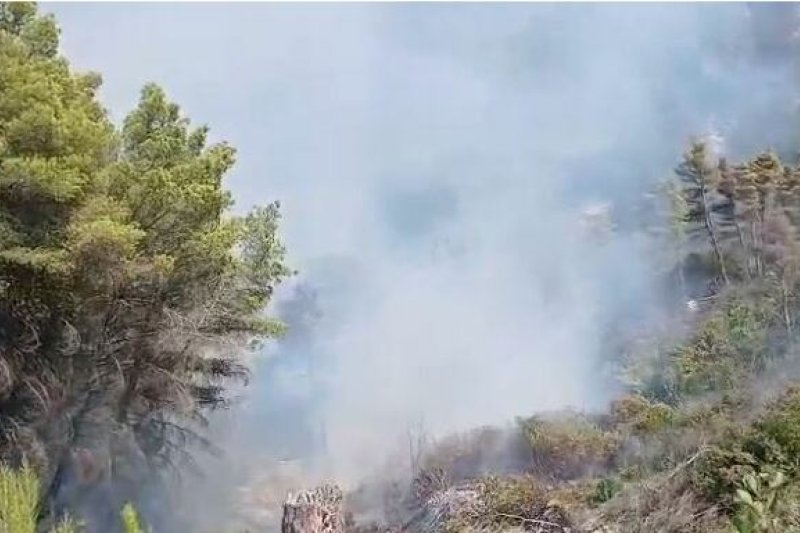
Forest fires, fueled by extremely high temperatures, are becoming one of the most significant climate risks for Albania. According to figures from the National Climate Change Adaptation Plan 2026–2036, fires, along with floods, droughts and landslides, account for over 90% of the damage recorded from climate disasters in the country. Over the past two decades, natural and climate disasters have affected 95% of the municipalities, SCAN TV reported.
Climate projections show that by 2050, the average temperature could increase by 0.9–2 degrees Celsius. As a result, fires are expected to damage biodiversity, degrade and expose soil to erosion, and affect water resources and pastures. The damage is also transmitted to agriculture, livestock and tourism, while rural communities lose sources of income from wood, medicinal plants and other forest products.
The plan estimates that economic damages from climate change as a whole could reach up to 7% of Albania’s Gross Domestic Product in 2050. To limit the risk, the National Plan, among other things, aims to create four units to reforest the areas damaged by erosion, fires and logging.
Other measures include improving the management of forests and protected areas, restoring damaged ecosystems, controlling erosion and establishing payment schemes for ecosystem services. In total, the National Plan contains 13 priority measures for the forestry sector. Their implementation will extend over the period 2026–2036, while some long-term interventions are expected to continue until 2042.