Judicial Deadlock Sparks Debate Over Lawyers’ Boycott and Courts’ Authority
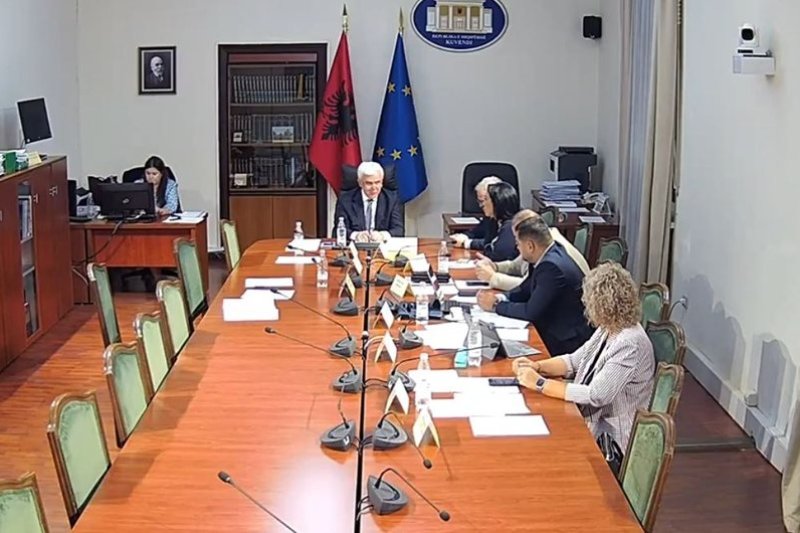
The ongoing lawyers’ boycott and the resulting deadlock at the Special Court Against Corruption and Organized Crime (GJKKO) came under scrutiny on Tuesday during a meeting of the Commission on Citizen Initiatives, Cooperation and Institutional Oversight.
Commission Chairman Fatmir Xhafaj raised concerns about the public dispute between lawyers and the Special Court, warning that the standoff was directly affecting the justice system and citizens’ access to justice.
During discussions with Artur Metani, Albania’s High Inspector of Justice, Xhafaj asked whether the institution could intervene within its legal mandate to help find a lawful solution and resolve the impasse.
“We have a deadlock at the first-instance Special Court. There is an open public dispute between lawyers and the court,” Xhafaj said, stressing that the consequences ultimately fall on the justice system and citizens.
Metani said his institution was closely monitoring the situation and discussing developments on a daily basis. However, he emphasized that any action must remain within the legal powers granted to the High Inspector of Justice.
He cautioned that intervention could raise questions of disciplinary jurisdiction and said the dispute would be better addressed through direct discussions between the parties involved.
Metani added that his institution would be willing to assist where legally possible, but stressed that resolving the dispute did not depend solely on the inspector’s willingness to intervene.
The exchange highlights the challenges facing Albania’s justice system as the dispute between lawyers and the Special Court continues. The extent of any potential intervention by the High Inspector of Justice remains limited by the institution’s statutory authority.