Baku Enforces Secular Education Standards
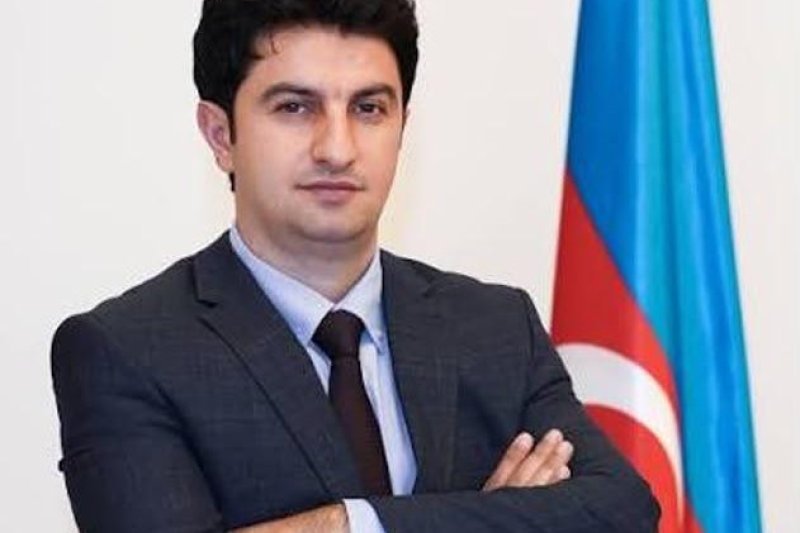
Interview by Dr. Vasif Huseynov, head of the Western Studies Department at the Center for Analysis of International Relations and Multiculturalism, to i24news
I: Azerbaijan does present itself as this model of multiculturalism. So, how do these school dress restrictions actually fit with that image?
H: School restrictions are not about any specific religion; it is about secular traditions of the country which are very old and very important for our people. New amendments of the relevant regulations about school uniforms brought some restrictions to any type of dress which may violate the unified dress code and violate secular foundations of education. So, it is actually in line with overall multicultural traditions and aimed to provide neutral educational environment for all people, for the representatives of any religious ethnic groups where these people can feel themselves on the same level with others and can therefore focus on their educations rather than on any specific religions and religious attributes that they carry with themselves.
I: So, from what you have seen in Baku, how widespread is opposition to these rules, do you expect the government to make any accommodations or to stand firm on this enforcement?
H: Actually, we were surprised to see more reactions from outside of the country rather than inside of the country. Here in Azerbaijan, secular traditions are very old. In the center of the capital city, you may see a monument for a woman taking off her headscarve, that was built in the center part of Baku back in 1960. And that monument symbolized the secular traditions of the country and it shows that it is actually not something new brought about by the present government but it is quite old. Azerbaijan when it established its first republic in 1918, it was the first time in the entire Muslim world and actually much earlier than many European countries that Azerbaijan brought voting rights to woman and also gender equality for women in public sphere, in education, in working places and etc. So, that is the reason why the recent amendment to regulations on education were actually supported by the majority of the people. The protesters were very small number of people and some of them unfortunately were supported and are supported by external actors.
I: Well, let’s discuss that because we have seen some of these protests against these restrictions in Turkey. This is a close ally of Azerbaijan. So, what are we seeing right now between Turkey when it comes to this issue?
H: Regretfully in Turkey there were more reactions than we had in Azerbaijan. In Turkey there are unfortunately some radical religious groups who are quite sensitive about any issues related to Islam taking place in not only in Turkey but also in surrounding countries, and it was not welcomed by the Azerbaijani people that there was such an interference in our domestic affairs but at the political level situation is quite normal, we have a mutual understanding with Turkish government, we are brothers, we are allies and I do not think that the present situation which we observe in Turkish segment of social media will have any impact on bilateral relations between the two countries.
I: So, do you expect them, anything to change when it comes to some of these school girls that wear hijabs for their own family reasons and now say that they wont actually be attending school anymore if some of these restrictions stay in place?
H: No, I do not think that there will be any change to the newly adopted regulations primarily because it is supported by the majority of the people. It is not something against the public will. It is supported by significant number of people in Azerbaijan. Secondly, according to my own observation, some people who wear hijabs, I mean teachers and also school kids, they have already started to comply with the new regulations and overall, the situation is quite stable and I do not think that there is any reason for the government to change the amendment.