
Sewerage Coverage Remains Low
Over the past year, sewerage coverage in the country, as a key indicator among water supply and sewerage enterprises, has shown a slight increase, but it remains far from the required national average.
Sewerage coverage varies significantly by region, but generally refers to the percentage of a population connected to a functional wastewater collection and treatment system.
The Water Regulatory Authority (ARRU), in its recently published performance report for 2024, highlights that sewerage coverage marked a 2.2% increase compared to 2023.
“This indicator has a slight increase, as the sewerage service is reported to have increased by about 7,616 connections, bringing the coverage to 57% with this service, although it remains far from the 75% level of the required national average,” the report states.
The entity analyzes that overall sewerage coverage has gradually improved, and the improvement has come more as a result of increased sewerage coverage in urban areas, while sewerage coverage in rural areas has not seen significant improvements.
"Investment funds in the sewage service sector have been scarce, accounting for almost a third of the investments in the water supply service. As more attention has been paid to the water supply service, this differentiation has also existed between urban and rural areas, with priority given to urban areas. Therefore, the coverage indicator for both WSS services is higher in urban areas.
"The main problem continues to remain in rural areas, where there is generally no sewage network and wastewater discharges are carried out individually with septic tanks," the report states.
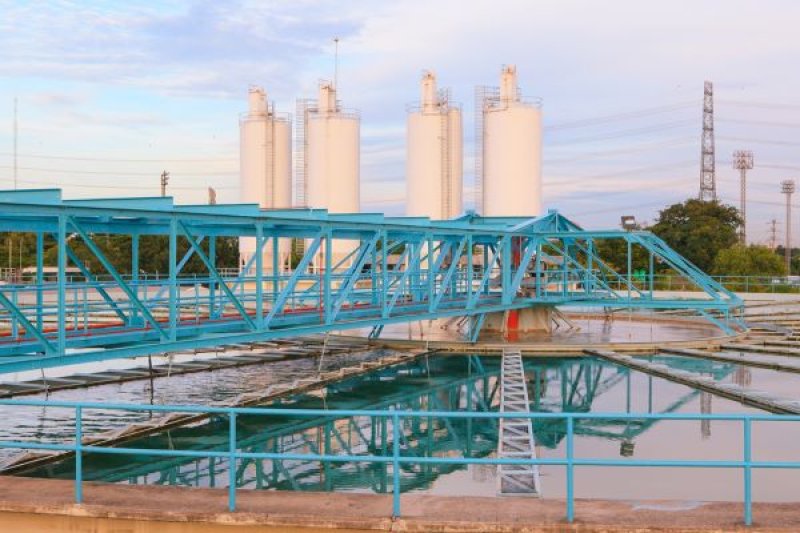
As part of the wastewater sewerage service, the report also brings to attention the need for investments in Wastewater Treatment Plants (WTPs).
According to the Entity, this remains a challenge for the sector to be achieved in the future, considering that it is also one of the requirements that must be met within the framework of Albania's membership in the EU and the achievement of the Sustainable Development Goals by 2030, to achieve access to adequate and equal sanitation and hygiene for all, paying special attention to the needs of women and girls and those in vulnerable situations.
"Therefore, it is necessary to undertake investments in the construction of urban wastewater collection and treatment infrastructure nationwide," the report assesses.