
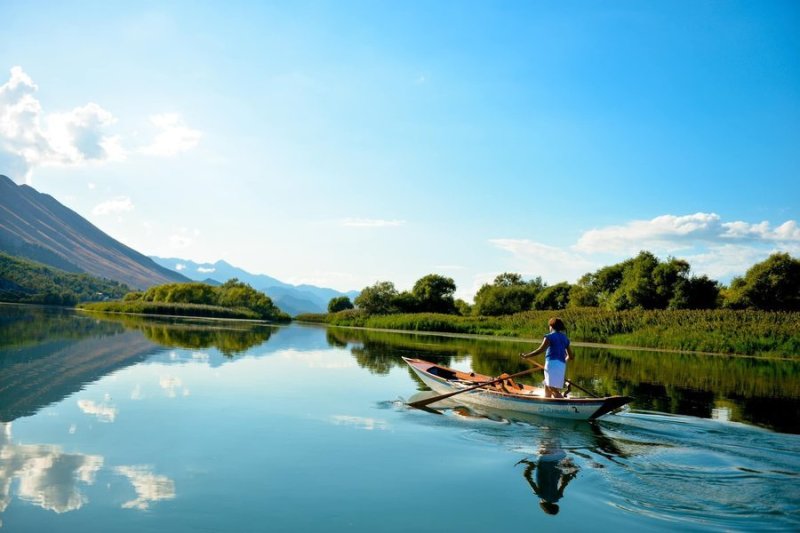
Shkodra Lake Designated UNESCO Biosphere Reserve Amid Global Expansion of Protected Areas
Lake Shkodra, the largest lake in the Balkan Peninsula, has been officially designated a UNESCO Biosphere Reserve, marking one of the most significant international recognitions in the field of biodiversity conservation and sustainable development.
The designation places the transboundary lake among a global network of protected areas recognized for balancing environmental preservation with human activity. Lake Shkodra has held Ramsar status since 2005 and is considered a critical migration corridor for birds in Europe, hosting more than 280 recorded species and 25 protected habitat types under the European Habitats Directive.
The announcement comes as UNESCO marked World Environment Day by designating 14 new biosphere reserves across 14 countries, expanding the World Network of Biosphere Reserves to 797 sites in 145 countries. New reserves were also established in countries including Algeria, Canada, Iran, Mongolia, Montenegro, Paraguay, the Philippines, Portugal, Timor-Leste, and Vietnam, among others. Several existing reserves in China, Italy, and Spain were also expanded.
UNESCO describes biosphere reserves as “living laboratories” for sustainable development, where conservation science, cultural practices, and inclusive governance intersect. The model promotes the idea that biodiversity protection and economic development can coexist, rather than operate in opposition.
According to UNESCO, these areas are designed to integrate local communities, indigenous peoples, civil society, and private sector actors into conservation efforts, while supporting resilient and sustainable livelihoods alongside ecosystem restoration.
The designation of Lake Shkodra is expected to strengthen international cooperation on environmental protection in the Western Balkans and reinforce Albania’s role in global biodiversity conservation efforts.