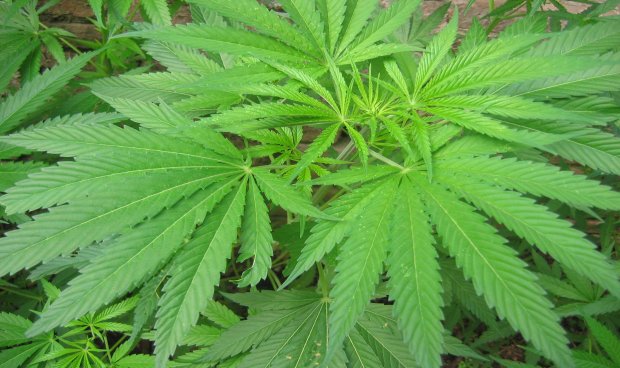
Albania Considered as Europe’s Biggest Cannabis Producer
Albania is labelled as the largest producer of cannabis in Europe pursuant to a report by the European Monitoring Centre for Drugs and Drug Addiction (EMCDDA).
In the EMCDDA report titled “An assessment of the extent of Albanian(-speaking) organised crime groups involved in drug supply in the European Union: Characteristics, role and the level of influence” Western Balkans is described as a region of heroin and hashish trafficking destined for the European Markets.
Full report concerning Albania below:
Exploiting opportunity Albania and the Western Balkans (Albania, Bosnia and Herzegovina, Kosovo, Montenegro, North Macedonia andSerbia) play a strategic staging post for ‘east meets west’. They also provide a direct link to the EU via Greece (over land) and Italy (via the Adriatic Sea). Heroin trafficking has used routes through this region for decades, with wider trade doing so for centuries. Instability within the region in the 1990s created a shortage of consumable goods, which in turn established benefits from smuggling (often essential products such as oil and fuel), while conflict generated a need for firearms, which are now decommissioned and within criminal possession. Some countries in the region have strong ties to merchant shipping (Croatia, Montenegro and Serbia) and this provides direct access to illicit transatlantic markets, particularly for cocaine. High-volume cannabis production in Albania has created the need for infrastructure, export capabilities, networking and transport routes, which conveniently pre-existed for heroin and the transit of cannabis resin (hashish) produced in Afghanistan.
The most recent major development to create criminal opportunity relates to the crisis in the Middle East, resulting in mass refugee migration (via Turkey and the Mediterranean) towards Western and Scandinavian Europe. Albanian-speaking OCGs have readily available mechanisms for transport, transit hubs and cash smuggling (from the existing drug trade) from which the movement of people can be efficiently and ruthlessly achieved.
Modern slavery and exploitation
Within the criminal elements of Albanian-speaking communities, the use of adults as cheap labour and of women within the sex industry has also become commonplace. This commonly, but not exclusively, involves persons from Albanian-speaking origins and has led to some significant statistics concerning individuals claiming ‘trafficked’ status. Using the United Kingdom as an example, data from the NCA (NCA, 2018) reveal that:
- From 2013 to 2017 (5 years) approximately 16 294 people have claimed victim status under the National Referral Mechanism. Of these, 2 793 (17%) are Albanian.
- Albanian is the most-represented nationality within the mechanism for each of the 5 years.
- In 2017 alone, at least 1 049 (some decisions are still pending) of a total of 5 145 claims did not meet the criteria that qualify a person as exploited and trafficked. The percentage of Albanians is not reported, but they do represent 777 of the 5 145 referrals.
The opportunity to utilise successfully smuggled individuals creates a constant pool of financially vulnerable individuals who can be recruited for criminal purposes such as drug distribution and cash smuggling.
Europol’s Analysis Project COPPER
The following summary highlights key features within the focus of Europol’s Analysis Project COPPER.
- From the point of view of Europol, the project focuses on ethnic Albanian and Albanianspeaking individuals, plus wider links to the Western Balkans, where the language is different, but often understood.
- Albanian-speaking criminals operate as groups, networks and with influence from family and Albanian domestic region affiliation.
- There is a recognised rise in the presence of Albanian-speaking criminals across a range of crime types, including:
- money laundering
- cash smuggling
- drug trafficking
- drug production (cannabis) 10
- sex industry exploitation
- human trafficking
- people smuggling
- corruption
- violence and firearms crime.
- Albanian-speaking OCGs continue to expand from being service providers and facilitators, to controlling crimes and trafficking from ‘end to end’.
- They have the capacity to instantly gap-fill and recover from law enforcement intervention.
- They engage with other regional crime groups, particularly Montenegrin and Serbian OCGs who remain involved within the top level of transatlantic cocaine trafficking.
- The avoidance of violence is more likely when high-level collaborations are agreed, such as those with Polish and Serbian OCGs, linked to drug trafficking across Europe. These are known for ‘peace’ and ‘cooperation’ and function across nationalities and crime types.
- They pay for women who are trafficked for sexual exploitation (by OCGs of other nationalities) on their arrival at airports across Europe. The fee paid is commonly in the region of EUR 2 000 per person.
Cannabis production
Albania has a long-established record of being a high-volume producer of (herbal) cannabis, with hundreds of tonnes referenced as annual yields. Although Albania is also sometimes mentioned as a source of cannabis resin (hashish), for high-volume consignments it is more likely that Afghanistan is the source and Albania is a transit point. Cannabis resin has been produced over the past four decades in a range of recognisable shapes and dimensions. These are commonly attributed to production processes in specific countries (e.g. ‘slates’ and ‘soaps’ from Morocco and ‘slabs’ from Afghanistan). A specific format associated with Albania has yet to become internationally recognised.
However, Albania is recognised as Europe’s largest producer of outdoor cannabis, and trafficking collaborations have been established with Dutch, Italian and Moroccan OCGs. The criminal emphasis for cannabis smuggling has been focused on controlling access to Adriatic and near Mediterranean ports. Enhanced joint responses by Italian and Albanian law enforcement have resulted in increased seizures in the Adriatic region. The impact of this has been to increase the price of Albanian cannabis within the international market. Despite frequent interdiction, prosecutions remain low, particularly for those associated with maritime vessels. Assessments indicate that part of the increased interdiction in cannabis seizures (in the region) is linked to the focus on migrant trafficking. Italian air support has also increased the volume and frequency of cannabis cultivation site interventions. However, prosecution rates are lower because of difficulties in attributing ownership and control of plantations.
Land trafficking of Albanian cannabis takes various routes and reaches numerous destinations. Countries deemed high on the ‘transit through’ list include Croatia, Czechia, Greece, Hungary, Italy, Slovenia and Switzerland. Greece also represents a consumer market as does, to a degree, Italy. Consumer markets include France, Germany, Sweden and the United Kingdom, with the Netherlands acting as a key transit hub.
As mentioned, cannabis resin from Afghanistan now travels along well-established heroin trafficking routes through Turkey, Greece and into Albania. It remains uncommon, however, for poly-commodity drug consignments (cannabis and heroin or cocaine) to be found concealed together. Cannabis presents a risk-management implication because of its lower value/higher volume and because it has a stronger odour than heroin and cocaine, which are easier to conceal and have much higher unit values. Trafficking cannabis with either is more likely to compromise the higher value load.
Despite the significant difference in unit value, compared with heroin and cocaine, the vast volume of cannabis trafficked makes it highly lucrative. Suspicious transaction reports of suspected criminal proceeds linked to Albanian-produced cannabis are thought to have doubled every year for the past three years in Albania.
Europol perspective on Albanian cannabis production and trafficking
The following is a summary of information provided by Europol on the topic.
A progressive intensification in the fight against the drug trade and distribution networks in Albania has been observed in recent years. In 2014, over half a million cannabis plants were destroyed, which represents an increase of 460 % compared with 2013. Major police operations in Lazarat in 2014 marked an important operational achievement in the fight against drug cultivation. However, the investigation and prosecution follow-up have not been decisive:
- 187 referrals from the police handled;
- the Serious Crimes Prosecutor’s Office submitted to court requests for trial for 16 people for several criminal offences;
- no accusations of ‘participation in a criminal organisation’ were made.
In the first ten months of 2015, the number of marijuana plants destroyed further increased by almost 40 % compared with the total number for 2014. In 2014, 134 people were convicted for serious and organised crimes (compared with 129 in 2013), mostly for drug trafficking.
Albanian-speaking groups play a variety of roles as producers of cannabis in both Albania and wider Europe. They are reported to be involved in the trade of Afghan cannabis resin, mostly to eastern and central Europe and, via the Netherlands, to the United Kingdom. Albania and the Netherlands appear to be the main distribution hubs for Afghan cannabis resin. Dutch OCGs are known to collaborate with Albanian-speaking and Moroccan criminal gangs involved in the cannabis trade.
Albanian-speaking OCGs often consist of tight family structures. They specialise in setting up outdoor cannabis cultivation sites. They mainly operate in the countries of the western Western Balkans, southern Europe (Bulgaria, Greece and Italy) and eastern Europe. They are present in central Europe (Hungary and Slovenia) and western Europe (the Netherlands, Germany, Switzerland, Sweden and Finland). Connections to the Albanian-speaking diaspora in Italy have fostered cooperation between Albanian-speaking and Italian OCGs.
Albanian-speaking OCGs have a reputation for being violent and are known for their use of firearms. Violence, such as kidnapping, torture and murder, seems to be a salient feature of the sector of the European cannabis market controlled by them. Despite this, groups often collaborate with each other. Violence within Albania commonly occurs during or as a resulting from raids by rival gangs on cannabis plantations.
Major cannabis-producing countries in the Balkan region, including Albania, Bulgaria, Serbia and, to some extent, Kosovo, supply the markets of central-eastern and south-eastern Europe. Greece, where cannabis is also produced, is a major entry point into the EU for Albanian cannabis, which is distributed into several EU Member States, including Austria, Czech Republic, Croatia, Hungary and Italy for consumption and transit to other markets. Low-potency cannabis produced in Albania is reported to be trafficked to the Netherlands and used to adulterate higher-potency cannabis; the mixture being destined for the UK market.
Conclusion
It is widely reported that specialist Dutch cannabis growers have assisted Albanian-speaking OCGs (primarily in Albania) in the set up and development of cannabis growing sites. However, to date, the majority have been outdoors and not of the strength and quality of that produced under lights in the Netherlands, Belgium, the United Kingdom and other parts of the EU. Since 2017, a high-intensity focus on cannabis production in Albania has increased the likelihood of growing sites being established within commercial or semi-abandoned indoor facilities across the country. With guidance, this generates the potential to grow high-quality, high-value cannabis for which far less volume will be required to achieve the same revenue. From EU cannabis seizures linked to Albania in 2018, the high tetrahydrocannabinol content suggests that this has now commenced.
Currently, Albanian cannabis can be acquired in Albania for as little as EUR 200 per kilogram, achieving prices within international markets in the region of EUR 1 000 per kilogram. The production of high-potency cannabis has the potential to generate returns of about EUR 3 500 per kilogram in many EU Member States.
Current situation: the impact of Albanian-speaking organised crime groups in the EU — cocaine
General situation
Despite seizure reports in the media from as early as 2011 (of about 1 000 kg of cocaine being recovered in Albania) and the United Nations Office on Drugs and Crime (UNODC) reporting that Albanian OCGs were becoming involved in the cocaine trade (UNODC, 2000), their dominance in certain EU Member States and high-volume consignment status is a more recent phenomenon, which continues to grow and evolve.
Origins
Anecdotal reports state that ‘Albanian criminals’ embarked on cocaine trafficking initially as a workforce for other nationality OCGs, such as Italian, Turkish and other nationalities within the Western Balkans. If this is the case, the Albanian groups’ rise to status is more impressive, as they have now overtaken or displaced several capabilities that had previously overshadowed them. Legitimate ‘jobs’ in transportation also afforded them access to shipping and sea ports and as drivers of commercial vehicles. It remains important to consider two possibilities:
1. that not all of those referred to were Albanians; there have been instances where this has been assumed of nationals of the Western Balkans;
2. that those speaking Albanian may also fit previously described criteria.
Either way, it seems viable that initial involvement was within the criminal workforce, rather than the criminal enterprise.
Having learned the trade of cocaine smuggling from others, Albanian-speaking OCGs developed the capability and investment potential to become independent. An often-reported friendly initial approach to new customers or potential competitors, coupled with a reputation for ruthlessness, is thought to underpin their capacity to develop relationships, while maintaining control over them. Their reputation for being reliable and timely and for providing high-quality, competitively priced cocaine inevitably fasttracked their status as traffickers.
Development of capabilities and capacity
The following insight is a combined perspective achieved from experience in the United Kingdom, information from the Netherlands and context from Europol.
An important feature in the operating models of Albanian-speaking OCGs is their ability to gain trust. This was largely achieved by guaranteeing loads (to the point of delivery) and reassuring buyers that quality would be reflected in unadulterated kilogram blocks, at a time when several countries were experiencing degrees of deception through bulking and re-blocking (often down to half the import purity — about 40 %). Albanian-speaking OCGs, however, not only maintained high quality but began challenging prices (see below).
It is reported that initially they relied on other sea-going Western Balkan nationals to facilitate transportation within transatlantic vessels to ports in the Netherlands, Belgium, Germany and the United Kingdom. This increased transport costs (commonly USD 5 000 per kilogram) and costs linked to movement through ports (corruption of security or port workers). Reports from about 2012 also indicate that they were still buying multi-kilogram consignments in the Netherlands for approximately EUR 30 000 per kilogram. At this point, their profits were achieved only in other markets, particularly the United Kingdom, where the price per kilogram was GBP 45 000 (EUR 50 000).
They also had to overcome competition, not only in the market but for transport functions. A range of other nationals (from Europe, Africa and Latin America) remain established players in the distribution of cocaine. In particular, conflicts occurred with Moroccan OCGs over commodity and transport provisions. It is reported that the Albanian-speaking groups proved to be cheaper and more reliable, providing guarantees on delivery and insurance against loss (until final handover).
At various stages between 2012 and 2018, Albanian-speaking OCGs established direct access to cocaine suppliers in Latin America (at prices as low as USD 4 000 per kilogram, equivalent to EUR 3 500), developed transport mechanisms and influence within ports (such as those in Brazil, Colombia, Ecuadorand Venezuela), and maintained the placement of workers and corruption in key EU ports of entry, such as Antwerp (Belgium) and Rotterdam (Netherlands), to which consignments from Latin America could flow under the cover of high-volume legitimate loads. This greatly enhanced profit margins, as, despite having overheads for the aforementioned logistics, the EUR 30 000 price tag in the Netherlands rapidly became redundant as they increased and sustained competition.
The scope of points of access was also expanded, with presence achieved in locations such as Hamburg (Germany) and Valencia and Algeciras (Spain), alongside a greater influence in the United Kingdom. They also began expanding markets, with distribution reported in Germany and Sweden and a presence in Australia (reported from about 2015).
Early methods often entailed ‘coopering’ with consignments being offloaded into the sea (to be collected offshore by small vessels). This rapidly developed into the use of container concealments that were either ‘ripped on and off’ (placed into containers and taken out of them while within secure areas) or delivered to end destinations (where they owned the consignment or controlled the transport/warehousing).
Market influence and impact on price
It is important to recognise that a reduction in retail price within established markets is rare. For powder drugs (such as cocaine), it is far more likely that purity will rise and fall, rather than price. When wholesale prices fall, purity at street level tends to increase, as profit margins throughout the supply chain do not need bulking out. On this basis, there are no reports that Albanian-speaking OCGs have influenced retail prices. This may occur if they branch into less-developed markets, increase availability and adjust prices towards those being charged in other established countries.
The wholesale market for cocaine, however, has proven to be an entirely different proposition.
There are three very strong examples of Albanian-speaking OCGs directly influencing the most established cocaine platforms in the EU. The Netherlands (and to a lesser extent Italy) is the most established transit and distribution centre, and the United Kingdom is one of the most established markets for supply and consumption.
The Netherlands: for over a decade, the recognised common price for a kilogram of cocaine was EUR 30 000. This was marginally more expensive than in Spain, where prices were very similar but credibly reported as about EUR 28 000. Albanian-speaking OCGs initially paid these prices and then profited within UK and wider EU markets. However, since they became dominant in controlling transatlantic shipments, the price has fallen in the Netherlands (since about 2012) to about EUR 20 000 per kilogram. This is recognised as an exceptional development.
The United Kingdom: using prices in England and Wales as a guide (they are higher in Scotland and Northern Ireland), since the development of the influence and now domination of the cocaine market by Albanian-speaking OCGs, kilogram prices have fallen every year.
During this period (2012-17), the retail price of 1 gram of cocaine has remained stable (GBP 40), but the growing accessibility of ‘premium’ grams (at or close to import purity: 70 % to 80 %) has become a prominent market feature (at GBP 70-80 or EUR 77-88). This wholesale price development is also considered exceptional and nothing similar has occurred since at least 1995.
Italy: in Italy, it is not the price that creates the ‘exceptional development’. Although extensive detail has not been collected for this report, it is apparent that, more than any other group, Albanianspeaking OCGs have forged relationships with the Italian Mafia and Italian OCGs, not only as the providers of services but also as collaborators in the commission of crime and drug trafficking. Examples in both the Netherlands and the United Kingdom reference Italian-based Albanian-speaking OCGs involved in cocaine trafficking from Italy (as a base) with Italian OCGs. It is difficult not to recognise this as a reflection of the growing capacity of Albanian-speaking OCGs to facilitate and distribute high-volume and high-frequency consignments.
Associated criminal finance
These levels of domination have created a highly cash-rich outcome. The UK experience indicates that getting this cash or its value to the Netherlands is a priority for Albanian-speaking OCGs. In addition, assessments carried out in the Netherlands and the United Kingdom suggest that highprofile and influential OCG members remain in the Netherlands and control wider markets from this base (close to points of import and away from markets and distribution).
There remain some intelligence gaps regarding the routing for substantial reinvestment, but the following is known or suspected:
- Dubai in the United Arab Emirates is a money laundering hub for Albanian-speaking OCGs.
- Companies in Greece are used to conceal the movement of cash value and goods to Albania.
- Chinese money launderers have been used in the United Kingdom by Albanian-speaking OCGs to transmit cash value to Latin America.
- Money service bureaus (MSBs) in the United Kingdom are corrupted to exchange high volumes of pounds sterling into euros, with many examples of hundreds of thousands being 15 found with each ‘cash courier’. These MSBs are licensed to exchange and forward cash and are monitored by Her Majesty’s Revenue and Customs (HMRC), but examples are found of this service being provided without audit trails, to assist in hiding high volumes of organised crime proceeds.
- Cash is smuggled out of the United Kingdom in commercial vehicles, via east and south-east coast ports, to the Netherlands directly, or via France.
- Within the Netherlands, addresses used to consolidate cash have been discovered, with ledgers that demonstrate that millions of euros and pounds sterling in cash have been received over prolonged periods, processed and moved on.
- It is commonly reported that proceeds from cocaine (and other illicit activity) are reinvested in property and building projects in Albania and used to influence and fund corruption.
Other features
In addition to the impact on markets, other features continue to be revealed:
- Such is the scale of cocaine trafficking by Albanian-speaking OCGs that it is not unusual for consignments to be abandoned in the EU as a risk-management strategy (where a compromise is feared) or when a dispute ensues. One example resulted in a consignment (presumably to be ‘ripped off’ at port) being delivered to a supermarket in Germany, along with the legitimate load.
- Albanian-speaking OCGs demonstrate constant access to the workforce, as a result of the migration of Albanian nationals to locations pertinent to their criminal activity. This often results in the arrest of those involved in distribution being replaced rapidly, while those in control remain undetected.
- In the United Kingdom, the manual car wash industry has a massive presence. This is commonly conducted by Albanian nationals and is frequently linked to their illicit activity.
- In Belgium, it was reported in 2018 that Albanian-speaking OCGs had set up a retail supply chain, delivering small, high-quality quantities of cocaine to users, via the platform of ‘calling cards’ advertising the service. It is reported that, once discovered, those responsible fled to Albania.
- In the United Kingdom, Albanian-speaking OCGs have expanded into the high-quality retail market, supplying cocaine to professionals and in clubs and bars (where they also have a presence within the security industry as ‘door staff’).
- In the Netherlands, violence prevails in Rotterdam and Amsterdam, often linked to high-profile feuds and disputes, whereas in the United Kingdom, violence linked to Albanian-speaking OCGs rarely comes to notice of law enforcement.
- In Antwerp, port security is a continuing problem, as is violence linked to port workers suspected or known to be working for Albanian-speaking OCGs.
- In the United Kingdom, firearms are often found during premise searches but rarely found in the possession of OCG members in public places. In the Netherlands, firearm discharges linked to Albanian-speaking OCGs have become more common.
Conclusion
Albanian-speaking OCG-controlled cocaine trafficking is deemed to be the greatest threat within their commodity-based activities. Despite controlling hundreds of tons of cannabis, the value of cannabis per unit and demand across the EU remain relatively low. However, the margins achieved from cocaine trafficking often exceed EUR 20 000 per kilogram and present enormous reinvestment and corruption opportunities. It is also accepted that proceeds from cocaine trafficking fund and underpin wider crime, such as illegal firearms smuggling, money laundering networks and facilities, the smuggling of other drugs and the illicit movement of people.
Having significantly influenced three of the most established platforms in the EU (the Netherlands, Italy and the United Kingdom), it is reasonable to be concerned that wider opportunities in EU markets will form a future focus for Albanian-speaking OCGs. Obvious targets (where their presence is already established) are the Nordic countries, where the price of cocaine remains high and access is more limited than in western Europe. Australia is an example of geography not being a barrier to trafficking, as west-coast Latin American ports have been utilised for consignments bound for this country. Monitoring cocaine prices in Australia is likely to be very informative over the next 3-5 years.
Current situation: the impact of Albanian-speaking organised crime groups in the EU — heroin
General overview
As previously mentioned regarding the Western Balkans and Albania, the location of the region provides an ideal ‘east meets west’ platform within Europe. This has become more pertinent over the past three decades for heroin trafficking, with the drug passing through Turkey and into Europe, destined for high-volume and lucrative markets in western Europe.
This situation has consolidated relationships between Albanian-speaking and Turkish OCGs. The common dynamic entails Albanian-speaking OCGs acting as transporters and conduits of Turkishcontrolled heroin, with far less evidence of them taking control or ownership — as has been experienced with cocaine in similar circumstances. This may be due to long-standing relationships with Turkish OCGs, whereas with cocaine, they were general facilitators (of moving drugs out of the Western Balkans) with no long-term associations to consider.
Although it remains the norm that Albanian-speaking OCGs generally provide transport and distribution for Turkish-controlled heroin, there are non-competitive examples of them purchasing heroin from Istanbul-based traders, for EUR 7 000, and conducting free enterprise into wider Europe, including Croatia, Germany, Hungary, Italy, the Netherlands, Norway, Switzerland and the United Kingdom. In Western Europe, heroin prices rise to and upwards of EUR 15 000 per kilogram. Unlike cocaine under their control, which has been recovered in hundreds and thousands of kilograms, Albanian-speaking OCGs are rarely apprehended with volumes of heroin exceeding tens of kilograms.
It is assumed that the common situation is that Albanian-speaking OCGs will purchase multi-kilogram volumes of heroin from Turkish traffickers and then split and sell this as a single or a few kilograms, in locations where cannabis and/or cocaine is their primary business.
Despite some major seizures of heroin in Europe in 2018 (approximately 5 to 6 metric tons thus far), Albanian-speaking OCGs do not figure significantly, the majority of the heroin trade being under the control of Turkish OCGs and their Dutch and Belgian counterparts.
One of the features that may have an impact on the lack of influence and involvement of Albanian-speaking OCGs is routing. Despite the location of Albania within the Western Balkans and the longstanding significance of this region for trafficking heroin to western Europe, there continues to be a range of other routes under the control of Turkish and eastern European OCGs. These include:
- the Black Sea into the Ukraine, entering EU Member States via Poland;
- the Black Sea into Bulgaria and Romania (including via the Danube) then across central Europe;
- Mediterranean routes out of Turkey and into Italy;
- maritime shipments into further destinations such as Antwerp and Rotterdam.
These options leapfrog or bypass the Western Balkans and, for road routes, often utilise drivers of Bulgarian, Polish or Romanian nationality.
Conclusion
For the reasons outlined above, it remains a common situation that Albanian-speaking OCGs are involved in the lower level wholesale supply of heroin, but generally within locations where they already supply or dominate different markets for cannabis and cocaine.
There is no current intelligence suggesting that Albanian-speaking OCGs are seeking to compete with Turkish OCGs or to increase the scale of their heroin activity. This may be because the profit margins that they are achieving from well-established cocaine supply and high-volume cannabis distribution is their focus and priority. It may also be a consequence of prioritising current opportunities for migrant smuggling within EU Member States and using their transport mechanisms primarily for this purpose across these routes. The latter example may be considered less likely, as there remain examples of Albanian-speaking OCGs smuggling cocaine across traditional heroin routes (when the cocaine has entered via Greece and Eastern Europe) and intelligence that they continue to provide transport for Turkish OCGs.
It is advised that heroin seizures in EU Member States continue to be closely monitored for indications of the increased involvement of Albanian-speaking OCGs and that intelligence is monitored regarding Iranian- and Iraqi-controlled heroin trafficking (currently primarily linked to Turkish OCGs) for the potential that Kurdish collaborations could be formed in the Western Balkans.
There is the potential for collaborations between Iraqi and Albanian-speaking OCGs linked to the heroin trade. Iraq is a heroin trafficking route and both crime groups are at the forefront regarding people smuggling across Europe and into France, Belgium and the Netherlands where common interest and proximity provide platforms for negotiation. Their close involvement in people smuggling and mutual interest in the heroin trade could combine to allow Albanian-speaking OCGs access to heroin upstream of Turkish supplies and at cheaper prices.
Conclusions and recommendations
Conclusions
1. Albanian-speaking OCGs have expanded across the EU, in terms of crime types, presence, scale of activity and level of impact during the past ten years. Further potential for expansion within some EU Member States is not so clear, although this is likely where they are present and becoming established.
2. People smuggling and cocaine and cannabis trafficking are the three crime types in which Albanian-speaking OCGs are most active and influential.
3. Cocaine trafficking represents the most lucrative activity, driving the necessity for sophisticated cash smuggling concealments and the engagement of various other nationals involved in money laundering.
4. The rise of Albanian-speaking OCGs within the cocaine trade has been unprecedented compared with any other recent development in drug trafficking and drug markets. This proves capability and capacity for one commodity that could (if chosen) be applied to others.
5. There is potential for advances regarding cannabis production, particularly if specialist advice continues from Dutch OCGs and if Italian air surveillance increases pressure to move outdoor production indoors.
6. Their ability to utilise false, fraudulent or alternative (where citizenship of another country is utilised) identities across the EU and Europe and in Latin America and Australia continues. This hinders any clear picture of the presence and level of influence of Albanian-speaking OCGs. This problem prevails in Latin America where, in Colombia for example, it is easier to identify the presence of an Albanian national than an Italian national, because of record keeping and immigration agreements (with Italy). However, as within the EU, Albanian-speaking OCG members often speak Italian and have taken on false Italian identities, making them less visible and less likely to be accounted for.
7. The international networks generated by Albanian-speaking OCGs across the cocaine supply chain place them at the very forefront of cocaine trafficking into the EU, dominant within the distribution platforms of Belgium and the Netherlands, continuing to expand within Spain and controlling the market within the United Kingdom. Presence in numerous other EU Member States provides platforms for continued expansion.
8. Although less influential within domestic retail markets, Albanian-speaking OCGs have entered the supply chain in Belgium, Germany, Sweden and the United Kingdom (and potentially elsewhere) with the same attitude to quality, reliability and customer satisfaction as has proven successful with wholesale distribution. With access to high-volume wholesale consignments, it remains only a matter of choice and risk management as to how influential these groups become within the EU retail market.
Recommendations
1. A survey should be considered across EU Member States to assess the level of involvement and impact within domestic wholesale and retail markets for cocaine, heroin and cannabis. The outcome of this survey would create a benchmark for measuring the development of the impact of Albanian-speaking OCGs.
2. Where large-scale (to be determined) drug seizures towards, into and within the EU lack evidence of the involvement of Albanian-speaking OCGs, it should be recorded if intelligence reveals a controlling influence.
3. Where EU Member States report significant reductions in wholesale drug prices, the presence of Albanian-speaking OCGs should be assessed as a potential influence.
4. Specific advice should be provided to EU Member States reporting the emerging presence of Albanian-speaking OCGs with regard to how they are able to develop and then dominate drug markets.
5. The increased presence of or involvement with higher volume heroin seizures should be closely monitored for the potential that Albanian-speaking OCGs are taking greater control. This could result in conflict with Turkish OCGs.
6. Any intelligence that Albanian-speaking OCGs are interacting with Iranian or Iraqi heroinfocused OCGs should be treated as an early indicator of increased influence within the EU heroin market.
7. Greater understanding needs to be developed to extrapolate the nuances of ‘western Balkan’ OCGs to fully understand the complexities of the roles being performed and the influence asserted within global drug markets, particularly within Latin America.