Albania Loses 2.5% of GDP to Natural Disasters
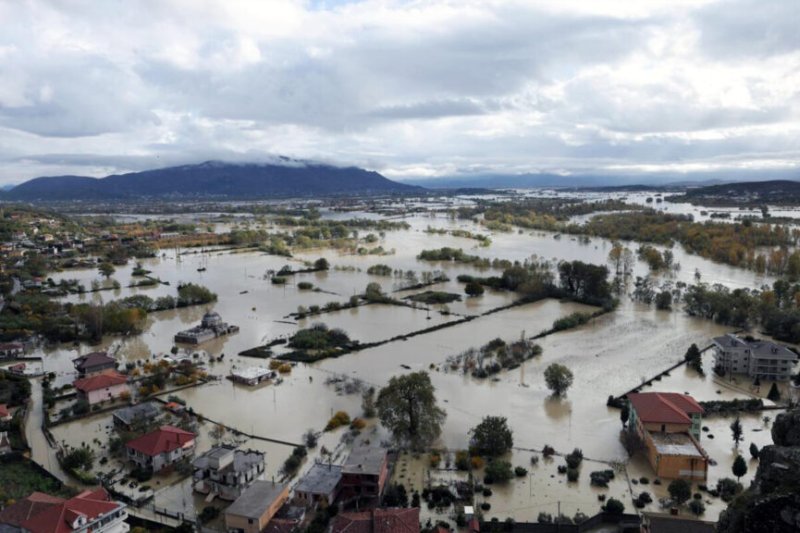
In Albania, floods are no longer rare but a recurring threat that affects cities and villages, causing significant damage and insecurity for residents. A new study published in 'Geographica Pannonica' shows that most Albanians do not have the financial means to cope with the losses. 61% in villages and 80% in cities declare a lack of financial capacity.
On a global scale, Albania ranks among the countries most economically affected by natural disasters. According to the World Bank, average annual losses reach around 2.5% of Gross Domestic Product, while during the period 1995–2015, around 30 thousand people per year and over 95% of municipalities were affected by various natural disasters. However, the country still does not have a complete system for monitoring and forecasting risks, and citizens have little insurance or support.
The latest study included four affected areas, two urban (Tirana and Fier) and two rural (Dajç and Novosela). The results showed a contrast, with city dwellers being less tolerant of risk, but also less prepared. While rural residents exhibit “silent resilience”, based on experience and self-organization. Rural residents take practical measures, such as securing food reserves, while those in the city see the risk as more distant.
In all areas, expectations towards the state remain high; most expect financial support after the floods, and some are in favor of precautionary measures, mainly limiting construction in endangered areas. The role of national culture, such as the perception that events are “in the hands of God”, remains a key factor in the approach to phenomena, especially floods.