Albania's Workforce Facing Shortages due to New Migration Wave; WB
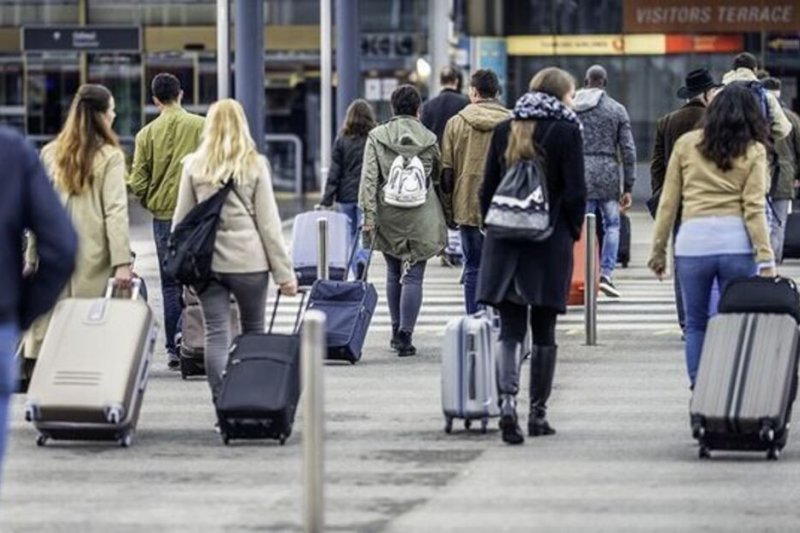
A new wave of emigration of young Albanians is one of the main causes of the labor shortage, noted the World Bank in the latest report on regional developments.
The Bank analyzed that unemployment, corruption and immigration remain the main concerns of businesses in the region.
Although potential growth in the Western Balkans is expected to strengthen during 2022–2030, it will be under pressure from internal regional developments.
The bank estimates that unfavorable demographic trends will negatively affect growth prospects in the Western Balkans.
Slowness in improving institutional quality, poor perception of government effectiveness and corruption control, lack of opportunities for quality work, increasing informality, increasing inequality have worsened long-term structural issues, such as reduction of labor supply due to aging and emigration, analyzes the World Bank.
Restrictions on the labor market do not create a favorable climate for foreign investments, the development of the private sector and the productivity of firms.
In a previous analysis of the development potential of the private sector in Albania, the Bank pointed out that labor productivity indicators in Albania have stagnated since 2009 and are well below the average for the six countries of the Western Balkans (WB6). as well as the seven small transition countries from Europe's economies.
Expressed desire to emigrate now peaks among the 27-30 age group in Albania, suggesting that emigration will continue to change Albania's demographic structure.
Meanwhile, significant inflows of remittances are discouraging labor force participation.
Data on asylum seekers in the EU and Great Britain show that the trends of leaving Albania have increased in the last two years after the pandemic.
The trend has accelerated this year after the commissioning of a new emigration channel from France to Great Britain by dinghy. Over 15 thousand Albanian asylum seekers were registered in the first 6 months in the EU and Britain.
An INSTAT survey in 2019 revealed that from 2011 to 2019, 360,000 people emigrated from the country. Also, from Eurostat data, from 2008 to 2021, about 750,000 Albanian citizens have received a residence permit in one of the European Union states.
(Source: Monitor)