Business Associations Against Raise of Minimum Wage
Starting from January 1, 2019 the minimum wage nationwide increased from 24,000 to 26,000 ALL. The increase was about 8%. The minimum wage of 26,000 ALL and above is used for the calculation and payment of compulsory health insurance contributions. Prime Minister Edi Rama stated that before the elections the minimum wage will increase up to 30.000 ALL.
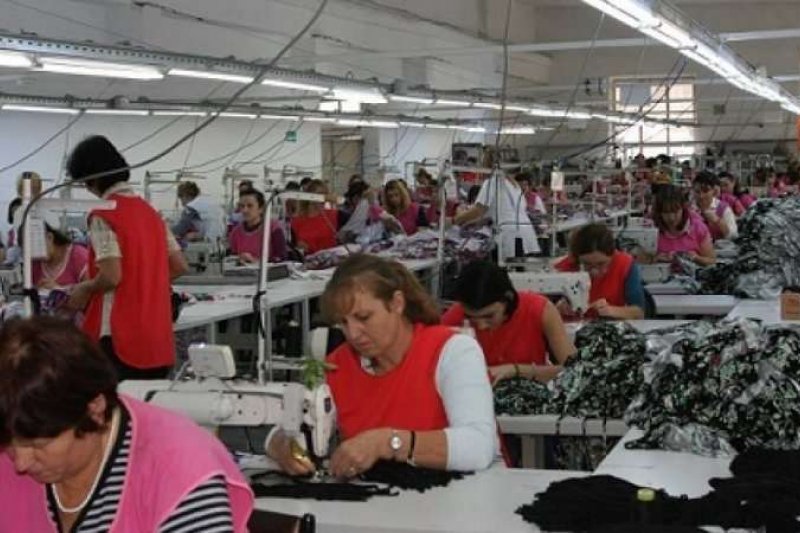
The change is foreseen to be about 15.4% more than the current minimum wage, but for Business Associations the initiative will increase costs for the self-employed, small businesses and garment factories.
Alban Zusi, president of the Albanian Export Center told "Monitor" that the increase of the minimum wage at these levels automatically increases the costs of small business and enterprise in the districts.
"Increasing the minimum wage will always increase the costs of businesses that pay low-wage to workers, but especially to small businesses and those in the suburbs. In Tirana, there are no salaries below 30.000 ALL, but in poor cities like Puka, Kukes or Gramsh there are employees who are paid 26,000 ALL and if the minimum wage increases, for example to the level of 28,000 ALL, it automatically increases costs for them, since this additional 1,000 leke will go as taxes for the state. So it may not be a holistic approach, but it should be distributed by districts. Also, the increase of the minimum wage is predicted to reduce employment. In poor cities there are employees who are paid another 22,000 ALL, as this is the the most those businesses can do. If the state forces them to pay the minimum wage up to 30.000 ALL, the employer will be forced to dismiss the employees. So, this measure for businesses in the suburbs creates a vicious negative circle," Zusi said.
The increase of the minimum wage to the level of 30.000 ALL, increases by about 28% the obligations for social and health contributions, according to Mr. Zusi.
"Without denying the positive social impact of this measure, Pro Eksport Albania would welcome the government's decision to increase the minimum wage from 26,000 ALL to 30,000 ALL (or 15.4%), if it were accompanied by a very serious and extensive support program immediate and medium-term of the enterprise, especially the productive one.
Support that we have been persistently seeking since July of this year, proposing concrete measures, such as the timely reinstatement of Sovereign Guarantee 1, which really helps business, a program of grants from the budget and donors aiming to renovate capacity manufacturing, support for training programs for new employees, for the establishment of a Business House, etc.
The government has not yet responded to our repeated requests and we are waiting. In the absence of these concrete steps by the government, raising the minimum wage increases the burden of monthly social insurance payments and the cost of training new employees,†he added.
Due to an economic model oriented by the free labor force, Albania currently offers the lowest level of wages in the Region and in Europe, both in the public and private sector.