Drug Money in Albania Laundered in Construction, Tourism; GI Report
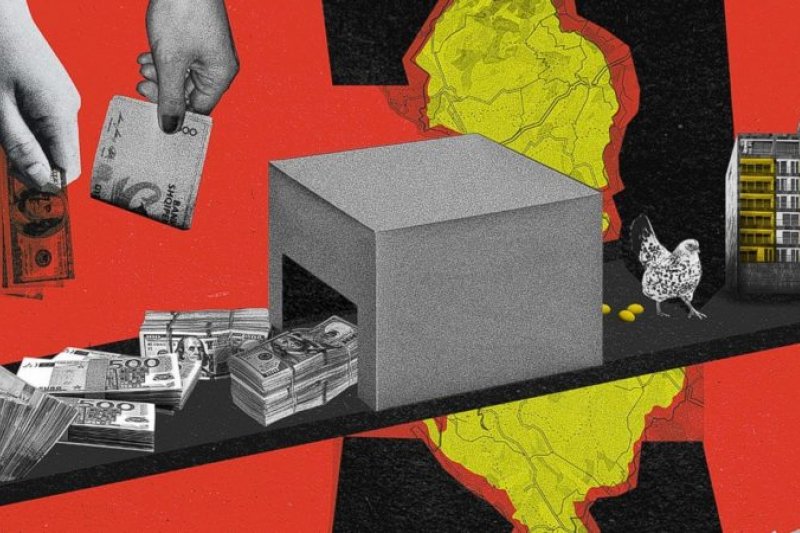
Funds provided mainly by the international drug trade are laundered in the construction and tourism sector in Albania, according to a study by the Global Initiative against Transnational Organized Crime (GI) for the Balkan region.
The report provides a detailed picture of the prices and routes of drug trafficking and smuggling across the Western Balkans and sheds light on the profits that come from them, as well as the spots where money laundering takes place.
According to the report, between 2017 and 2020, Tirana experienced a construction boom and a sharp rise in property prices. The price of one square meter in an average residential apartment in Tirana was around 861 euros in 2017. But in 2020, only three years later, prices almost doubled reaching the level of 1400 - 2 000 euros per square meter.
In Vlora, criminal groups are alleged to have invested in the tourism sector, including luxury hotels on the coast. Prices have increased from 600 to 700 euros per square meter in 2017 on the waterfront to 1,000 euros to 1,200 euros in early 2021. According to the report data, Tirana is the capital with the most expensive apartment prices in the region (reaching up to 4 thousand euros per square meter for the new towers, while fluctuating between 1400-2000 euros in the central part of the city). After Tirana, the most expensive apartments are in Belgrade and Sarajevo, at around 2,500-2,700 euros per square meter.
Prices in the Albanian capital have increased by almost 50% compared to 2017. In Podgorica, for example, for the same period prices fell by 14%, dropping below 1 thousand euros. In Belgrade, prices rose by about 30%. The study quotes that, experts have argued that, this high growth in the Albanian capital cannot be explained by the higher demand from the real economy or the increase in the official level of income, but rather are driven mainly by money from organized crime and corruption which is invested in construction and real estate.
In Tirana, additional luxury projects are currently planned in the city center that do not reflect normal market forces. A real estate agent in Albania has explained that a large percentage of people who buy luxury apartments use illegal money and pay in cash. However, even when payments are not made in cash (but through the financial system), experts argue that source verification remains quite sporadic.
Although transactions of more than 10,000 euros are required to be made through bank transfers, construction companies make it possible to split payments into small installments of less than 10,000 euros each and declare a fictitious price lower than the real one, thus making it possible for individuals to hide the true origin of their money.
It was surprising how the construction industry continued to grow in Albania even during the COVID-19 pandemic, despite the general contraction of the country's economy due to pandemic restrictions, the report cites. In fact, despite the COVID-19 pandemic, INSTAT (Albanian Institute of Statistics) recorded a high level of construction permit areas in the second quarter of 2020. While in the second quarter of 2020, the Albanian economy shrank by an average of 10.2%, real estate activity continued to expand by 5.5%.
"Dirty money, generated and laundered in the region, is keeping alive an ecosystem of crime and corruption," said Kristina Amerhauser, one of the report's authors.