Europol Coordinates Largest Referral Action Targeting Terrorist Audio Propaganda
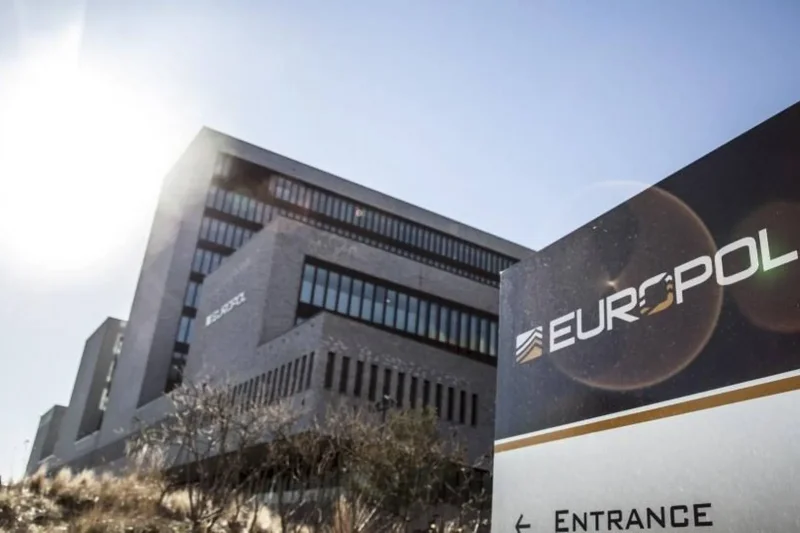
Europol has coordinated the largest Referral Action Day (RAD) to date targeting terrorist propaganda shared through audio content, resulting in the referral of 17 298 URLs across 40 online platforms. Combined, the audio content in these links represents more than 1 100 hours – the equivalent of 47 days of continuous listening. The operation focused on terrorist audio propaganda used by groups across the ideological spectrum, including jihadist and violent right-wing extremist networks.
The RAD was initiated and co-led by Hungary and Europol’s EU Internet Referral Unit (EU IRU), bringing together specialised investigators from 13 countries: Belgium, Denmark, Germany, Hungary, Ireland, Italy, Luxembourg, Malta, Portugal, Serbia, Slovenia, Spain and Sweden.
Investigators collected the content in the weeks leading up to the action and carried out extensive deconfliction checks to ensure that referrals would not interfere with ongoing investigations. On 3 March, the URLs were referred to online service providers for assessment against their terms of service. So far, 77% of the content has been removed.
The suspected terrorist content included speeches from designated terrorist leaders, songs praising violent acts, and nashids - Islamic chants frequently used in jihadist propaganda.
Extremist propaganda increasingly moves to audio platforms
The action was launched in response to the growing presence of terrorist content on audio-sharing platforms.
Unlike videos or images, audio propaganda is often more difficult to moderate. Identifying extremist messaging requires linguistic expertise and contextual understanding, allowing such content to circulate for long periods without detection. This can create a blind spot online, with terrorist and extremist propaganda remaining easily accessible to individuals vulnerable to radicalisation.
Music and songs have long been part of terrorist propaganda strategies. Extremist groups use them deliberately as a powerful psychological tool to influence audiences. Songs are designed to trigger emotional responses, evoke anger or grievance, and glorify sacrifice and martyrdom. They also reinforce group identity through narratives portraying a struggle between “us” and “them”, promoting ideological or religious purity and loyalty to the cause.
At the same time, music can serve as a softer entry point into extremist ecosystems online. Compared with obvious ideological speeches, songs may appear cultural or inspirational rather than explicitly political, allowing extremist messaging to reach wider audiences.
Audio propaganda is increasingly recognised as a powerful radicalisation tool. Earlier this year, an EU IRU expert provided testimony in court in Sweden on the role of nashids in the radicalisation of a terrorist suspect, highlighting how such content can influence individuals and reinforce extremist narratives. The suspect was found guilty of terrorist offences for preparing an attack in Stockholm during the summer of 2025.
Europol at the centre of expertise
The Referral Action Day was coordinated by Europol’s EU IRU, which supports Member States in identifying and tackling terrorist and violent extremist content online.
Europol coordinated the operational planning of the action, organised operational meetings with participating countries and partners, and consolidated the large volume of URLs collected during the operation to ensure deconfliction before referrals were made to online platforms.
The EU IRU also provided specialised analytical expertise on emerging propaganda trends and will produce a strategic analysis report based on the results of the action.
By bringing together investigators and expertise from across Europe, Europol helps ensure that terrorist propaganda, including harder-to-detect audio material, is identified, analysed and removed from the online environment.