Kosovo’s Vetëvendosje Denies Organizational Role in Ongoing Anti-Government Protests in Albania
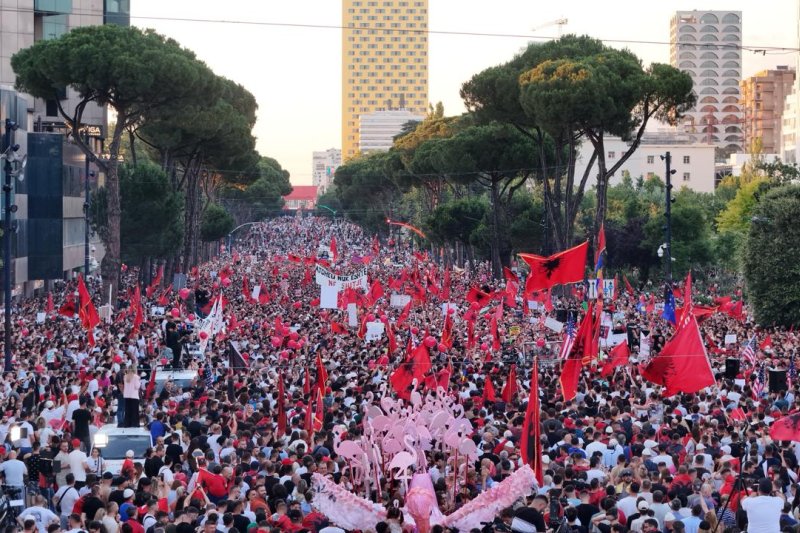
Kosovo’s ruling political movement, Vetëvendosje, has denied any organizational or political involvement in the anti-government protests taking place in Albania, distancing itself from demonstrations that have entered their 23rd consecutive day.
Speaking publicly on the issue, Enver Dugolli, a member of Vetëvendosje’s General Council, said the party is not supporting the protests as a political organization and has no role in their planning or execution.
According to Dugolli, any support expressed by Vetëvendosje members or activists is strictly individual and reflects personal solidarity with the protesters’ demands rather than an official party position.
“Vetëvendosje has nothing to do with this protest. Some activists or individuals sympathize with the citizens’ demands, but this should not be interpreted as the involvement of the political movement itself,” Dugolli said.
He also called on Albanian Prime Minister Edi Rama not to involve Vetëvendosje in his public comments regarding the demonstrations, arguing that the government should focus on addressing the concerns raised by protesters.
“The language being used does not honor the office he holds. He should communicate with the citizens who are expressing their dissatisfaction and reflect on their demands, rather than focusing on Vetëvendosje,” Dugolli added.
The remarks came after Rama referenced members and supporters of Vetëvendosje in a social media post discussing the protests. While criticizing some participants linked to the movement, Rama drew a distinction between them and Kosovo Prime Minister Albin Kurti.
“I cannot and would not, under any circumstances, hold Albin Kurti responsible for any of the Vetëvendosje supporters involved in what I consider this mess,” Rama wrote.
The Albanian prime minister also criticized participants who traveled from Kosovo and North Macedonia to join the demonstrations, arguing that they do not constitute Albania’s diaspora.
Dugolli rejected suggestions that the protests were being directed by political actors from Kosovo, describing the demonstrations in Tirana and other Albanian cities, as well as participation from members of the Albanian diaspora, as a reflection of broader public dissatisfaction with the country’s political situation.
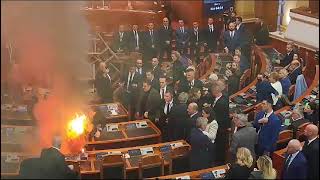
The protests, which have centered on demands for Prime Minister Rama’s resignation and the formation of a technical government, continue amid growing political tensions and an ongoing debate over their organization, support base, and objectives.