
More Than 32,000 Albanians Back Bill Seeking State-Funded Healthcare for Children
A citizen-led initiative seeking to guarantee state-funded medical treatment for children aged 0 to 18, both in Albania and abroad, has gained the support of more than 32,000 citizens and has been formally submitted to Albania’s Central Election Commission.
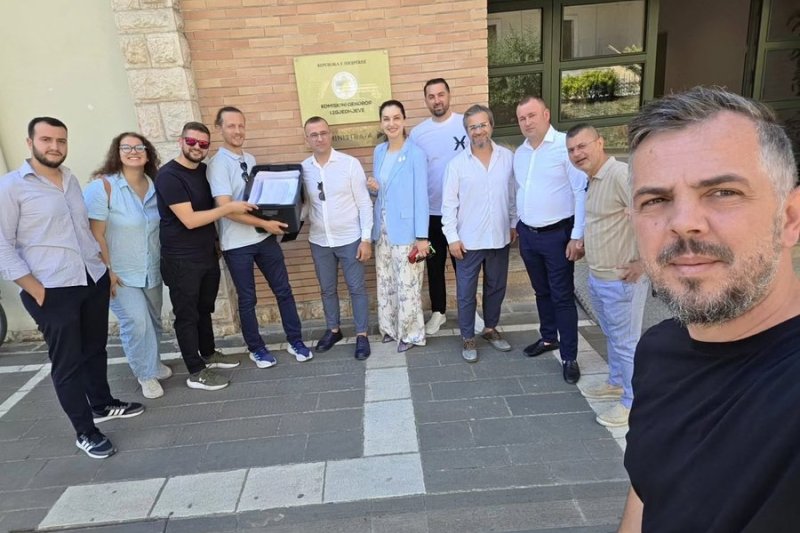
The initiative’s organizing group announced on Monday that it delivered 32,128 signatures collected over a three-month nationwide campaign, surpassing the threshold required for the proposal to move forward in the legislative process.
The proposed bill aims to ensure that children receive necessary medical treatment regardless of their families’ financial circumstances, including cases where specialized care must be sought outside Albania.
According to the organizers, thousands of citizens across the country joined the campaign with the belief that no child should be denied access to life-saving or essential healthcare because of economic hardship.
Civic organization Qëndresa Qytetare, which supported the initiative, thanked citizens for their participation and trust, describing the signature campaign as a collective effort to strengthen healthcare protections for children and their families.
Following verification by the Central Election Commission, the proposal will be forwarded to the Albanian Parliament for review. Lawmakers will then decide whether to advance legislation that supporters say could provide greater security and support for families facing significant medical expenses.
The draft law is designed to reduce the financial burden of medical treatment for children, particularly in cases where care is unavailable domestically and treatment abroad comes with costs beyond the reach of many households.
"We encourage the Parliament of Albania and its members to support this initiative, respecting the will of 32,128 citizens and transforming it into a concrete guarantee for the health, lives, and future of Albanian children," Qëndresa Qytetare said in a statement.
The initiative now enters the next phase of the legislative process, where its future will depend on parliamentary approval.