Exports, Mounting Pressure from Euro Depreciation
A sharp depreciation of the Euro against the Albanian lek over the past five years, from above Lek 120 in mid-2021 to below Lek 95 per euro last week, is squeezing Albanian exporters of goods and services, industry representatives and financial experts say.
For local manufacturers, the currency rate changes mean that major costs such as labor, energy, and rents, which are calculated in leks, are rising and making their products pricier and less competitive in the European market. At the same time, revenues from exports, in euros, are further eroded by the depreciation of the EU single currency.
Manufacturers of textiles and footwear, Albania's largest export industry, have been particularly exposed to the impact of the unfavorable currency rates.
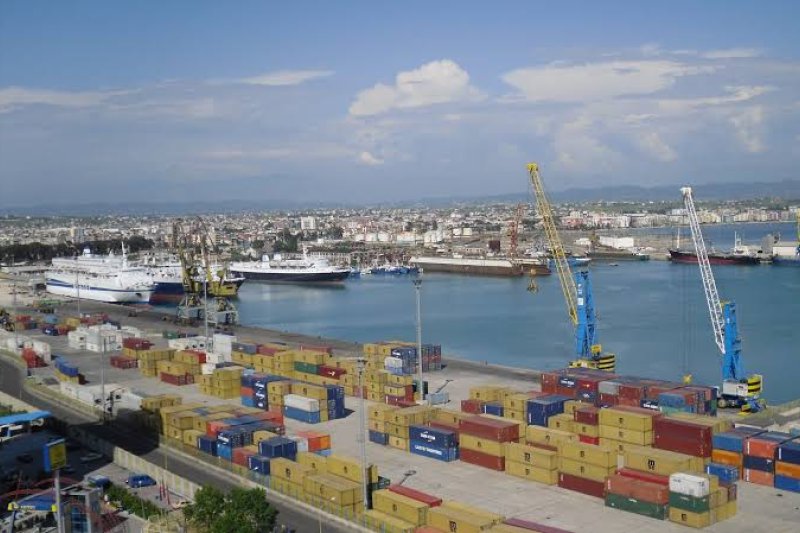
Compared to 2022, Albanian manufacturers of textiles and footwear recorded a 23% decline in the value of exports in 2025, according to data from the country's statistics office, INSTAT. Albania's total exports saw a 28% decline last year compared to 2022, as its trade gap expanded by 15%
"The European market is very competitive, and customers can shift production to other countries with lower costs. For this reason, some Albanian companies accept contracts with very reduced margins just to retain their customers and workforce, and continue activity," Edvin Prence, president of Proexport, Albania's association of textile, clothing, and shoes manufacturers, commented for SeeNews last week.
For many businesses, it is no longer a matter of lower profit margins, but a struggle to cover costs and preserve jobs.
In 2023, Proexport urged the government to take measures to offset the negative impact of exchange fluctuations. In response, the government suspended advance profit tax payments. For Proexport, however, structural measures are needed.
As the country prepares for EU accession, which would be followed by the adoption of the euro, this situation can be seen as a test for local manufacturers who will have to compete in the broader European market.
At the same time, the depreciation of the euro is good news for local traders, says Artan Gjergji, capital markets expert and co-founder of financial education website "Financiarisht i Pavarur (Financially Independent). However, he admits that their impact on the economy is limited.
"Trade is the largest import sector, operating with small margins and not adding any value in the economy," Gjergji told SeeNews in an emailed comment last week.
Other sectors, including construction and tourism, are also affected by the euro's depreciation, although market dynamics have so far softened the impact.
In both the construction sector and services, sales are mainly done in foreign currency, while costs are in leks, but the continuous increase in demand and sales have been offsetting the euro depreciation, Gjergji noted.
Despite continued central bank intervention to reduce euro liquidity in the local market, the euro continues its downward trajectory.
As protests against the government enter their third month, the issue has become a hot topic of public debate. While government critics argue that currency rates are driven by a large inflow of informal euro, the finance ministry has firmly dismissed the claims, attributing the lek's strengthening to an increase in tourism revenue, remittances, foreign direct investment, exports, and personal income, and improvement of the country's external position.
For Gjergji, the lek's appreciation is disproportionate to the country's official foreign currency inflows, suggesting that unmeasured informal inflows, especially in the construction sector, may have contributed to the excessive supply of euros in the domestic market.