External Vulnerability, Structural Gaps, Major Risks
Albania enters the second half of the 2020s as one of Europe's faster-growing economies, but international financial institutions flag several risks that could weigh on that trajectory over the next five years.
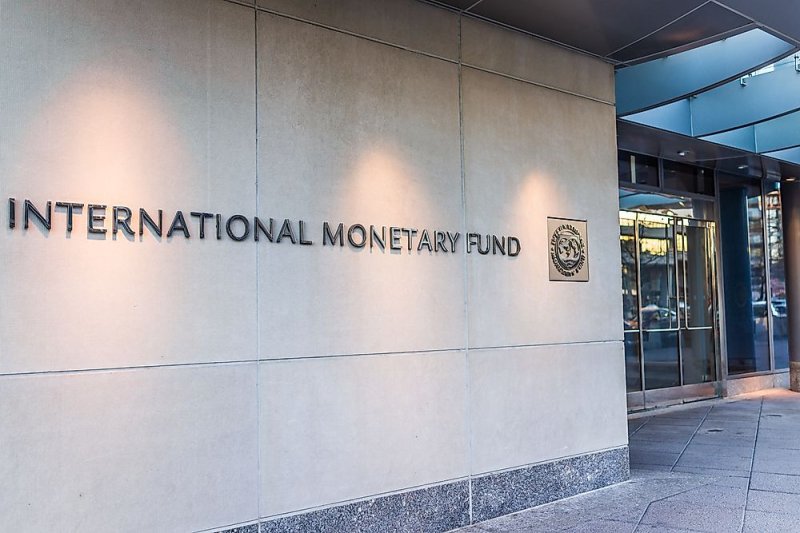
External vulnerability and trade exposure are the main risks. The IMF's most recent Article IV consultation notes that growth is projected to remain robust at 3.5% in 2025 and 3.6% in 2026, while risks to the outlook have shifted to the downside amid a more unsettled external environment. Fund staff point specifically to geopolitical tensions, escalating trade measures, commodity price volatility, and prolonged uncertainty affecting Albania's key trading partners, mainly in the eurozone.
Because tourism and remittances drive much of the current growth model, a slowdown in Italy, Greece, or the broader euro area would transmit quickly to Albanian output.
The structural and productivity gaps is also one of the major risks for the future of the economy. The IMF has warned that without decisive policy implementation, Albania's competitiveness and productivity could stagnate, limiting the benefits of EU integration. Earlier Fund assessments also highlight that GDP per capita is just a quarter of the EU-15 level, amid rapid population aging, emigration, low productivity, and governance shortcomings — a demographic and institutional drag that is structural rather than cyclical, and unlikely to resolve within five years without sustained reform.
Also, labor market and inflation pressures are another risk to be taken into consideration. Domestically, labor shortages linked to emigration could push up inflation and weigh on growth, a tension between a shrinking working-age population and rising wage costs that Albania shares with much of the Western Balkans.
Furthermore, public debt is expected to keep declining, but the IMF cautions that spending pressures from ageing demographics, health care, defence commitments and pension increases could strain finances unless reforms advance, and it has urged authorities to overhaul tax policy, phase out costly exemptions, strengthen compliance and accelerate implementation of a value-based property tax.
Finally, the financial sector and real estate exposure could be a risk factor for the economy. An earlier IMF country report identified more sector-specific risks that remain relevant: weaker demand for tourism could result in exchange rate depreciation pressures, negatively affecting the financial and public sector, given the still sizeable share of FX-denominated debt, and a real estate downturn could lead to rising NPLs and tighter credit conditions.
Taken together, these institutional assessments describe an economy with a solid near-term growth outlook but real medium-term exposure to external shocks, demographic decline, and unfinished structural reform - risks IMF staff describe as "broadly balanced" turning increasingly "to the downside."