New Bill to Facilitate Aquaculture Investments
Contracts lasting up to 20 years and the simplification of procedures for developing aquaculture in inland waters and on land are among the key changes proposed in a draft law - currently under public consultation - that introduces amendments and additions to the existing Law on Aquaculture.
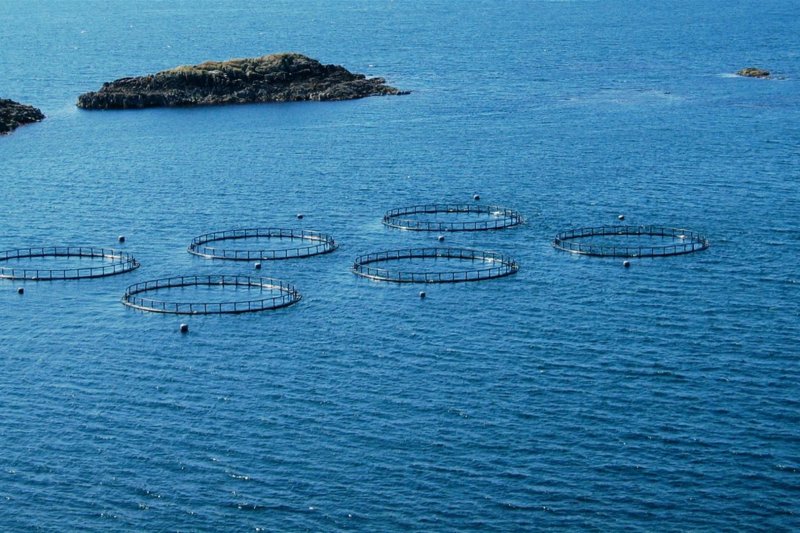
According to the accompanying explanatory memorandum, the initiative seeks to clarify the legal framework for this sector by tailoring administrative procedures to the specific type of activity and the environment in which it takes place. The proposed changes stipulate that "Designated Aquaculture Zones" (DAZs) will apply exclusively to activities in marine waters, while a separate legal basis will be established for operations in inland waters and on land.
Applying the procedures for the approval of DAZs to inland and land-based aquaculture has been deemed disproportionate to the nature of these activities, which often take place within limited areas and under controlled production conditions.
Another innovation is the setting of a 20-year term for aquaculture contracts, a measure intended to enhance legal and economic certainty for investors. For activities conducted on state-owned or locally-owned land, the term of an aquaculture contract shall be aligned with the term of the property-use agreement, not exceeding 20 years.
The draft law also stipulates that the investments and infrastructure necessary for carrying out the activity must be completed within three years of the contract's signing.
The initiative also aims to support the development of aquaponic systems - which combine the cultivation of aquatic organisms with plant production - as well as other forms of controlled and integrated production.
For operations in designated marine areas, inland waters, and on public land, the right to operate shall be granted through public competitive procedures, in accordance with legal requirements. The draft law also regulates the use of public property, contractual terms, licensing, and the procedures for license renewal.
According to the explanatory memorandum, these changes are expected to stimulate investment, increase production capacity and sector competitiveness, and improve the sustainable use of natural resources. The draft law aligns with the objectives of the National Strategy for Development and Integration 2022–2030 and the Intersectoral Strategy for Agriculture, Rural Development, and Fisheries 2021–2027. It also addresses issues identified during the screening process with the European Commission under Chapter 13, "Fisheries," without, however, aiming for further alignment of the legislation with the European Union acquis.
The draft law consists of 19 articles and, according to the accompanying explanatory memorandum, does not entail any financial impact on the state budget.