
Parliamentary Committee on Territorial Reform Resumes Work After Weeks of Opposition Boycott
Albania’s Parliamentary Committee on Territorial Reform returned to normal proceedings on Wednesday after several weeks of boycott by opposition lawmakers, signaling a temporary easing of tensions inside the legislature.
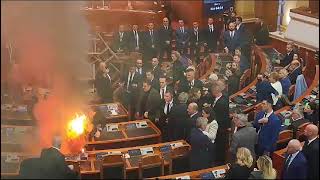
Just a day earlier, opposition MP Luçiano Boçi and other lawmakers had joined protesters outside government institutions, where fireworks and Molotov cocktails were thrown toward the Prime Minister’s Office, Parliament and police forces. On Tuesday, however, opposition members shifted tone and took their seats alongside Socialist majority representatives to resume committee discussions.
“Let us not play the role of those who close their eyes and ears,” Boçi said during the meeting. “Relations in Parliament between the opposition and the majority are not normal; they are tense due to the behavior of the majority. If there is no consensual product, then it reflects a lack of willingness to accept alternative proposals — and that is my request.”
The territorial reform under discussion is considered a key institutional overhaul that could reshape local governance structures in the country.
Deputy Prime Minister and Minister of Local Government, Arbjan Mazniku, emphasized the importance of cooperation, particularly in light of Albania’s European Union ambitions.
“We have a packed work agenda, fully aware that this reform would be beneficial for the country if we manage to pass it together,” Mazniku said. “The trust extended by the majority must not become an obstacle to the work. We have a very specific window tied to the country’s EU integration process. During the 2027–2029 period, we need municipalities capable not only of providing services to their citizens but also of attracting EU funding and projects for their territories.”
Despite the renewed engagement, the meeting was postponed, with the next session scheduled for Monday, as lawmakers continue negotiations over the scope and content of the reform.
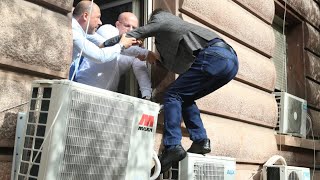
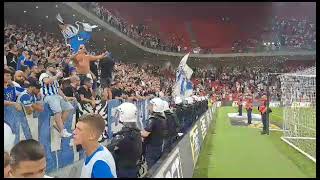
The committee’s return to dialogue comes amid heightened political tensions in Albania, where opposition protests have recently escalated both inside and outside Parliament.