Special Court against Corruption Sends Meta, Kryemadhi Case to Trial Despite
Albania’s Special Court Against Corruption and Organized Crime (GJKKO) has decided to move forward with the trial of former President Ilir Meta, his former spouse Monika Kryemadhi, and several other defendants, in a case that has drawn significant political and legal attention.
The case has three separate investigations: the CEZ-DIA affair, alleged lobbying by the Socialist Movement for Integration (LSI) in the United States, and a financial assets probe. Among those sent to trial are also Fatime Kryemadhi and Ema Çoku, who are accused of assisting in money laundering. Pirro Xhixho, meanwhile, faces charges of passive corruption involving senior officials, allegedly committed in cooperation with others.
The decision comes even as the court acknowledged shortcomings in the investigation. According to defense lawyer Kujtim Cakrani, the court recognized that key evidence and testimonies were missing, including witnesses from the United States and Albanian political figures, but declined requests to reopen or complete the investigation.
“The court admitted the investigation was incomplete but still chose to send the case to trial, arguing that these issues should be addressed during the main proceedings,” Cakrani said, calling the process irregular and ineffective.
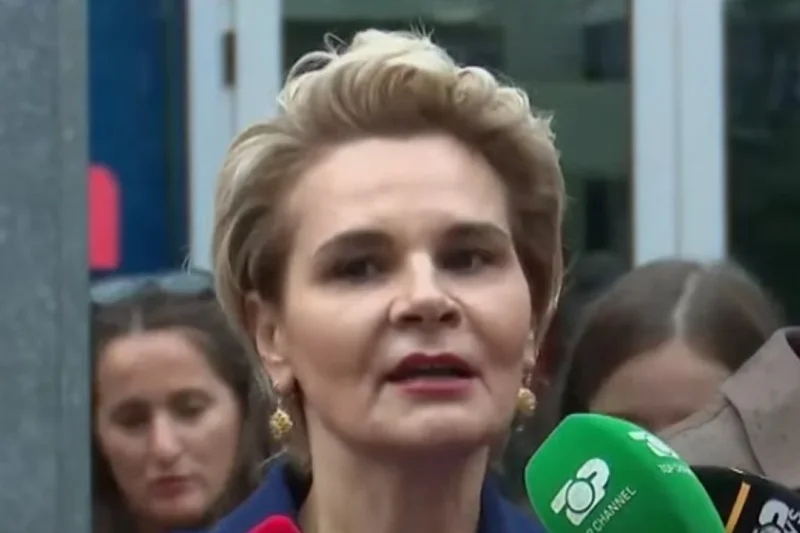
In her reaction, Monika Kryemadhi described the case as politically driven and said she would face the accusations in court. She also raised concerns about elements mentioned during the hearing that, according to her, were not part of the prosecution’s file, and questioned the handling of corruption allegations tied to businessman Adrian Shatku.
“This is a political trial,” Kryemadhi said, adding that the court process would effectively play out in the public eye. She also indicated that the case could eventually be taken to international courts.
The ruling paves the way for a high-profile trial that is expected to test Albania’s justice reform efforts and further intensify the debate over the independence of its judicial institutions.