WB-Funded Bridge Project, only 21% Disbursed
Only about one-fifth of the funding for the "Resilient Bridges" project in Albania has been disbursed so far, while the World Bank rates overall implementation progress as "moderately satisfactory."
The latest implementation status report, published on October 5, shows that out of the revised funding of Dollar 57.97 million, only Dollar 12.14 million - or 20.94% of the total - has been disbursed, while Dollar 45.83 million remains undisbursed. The loan was approved in March 2023, and the project is scheduled to close on July 31, 2029.
The World Bank maintains a "satisfactory" rating for progress toward project objectives, while overall implementation progress remains "moderately satisfactory." The overall risk rating is "moderate."
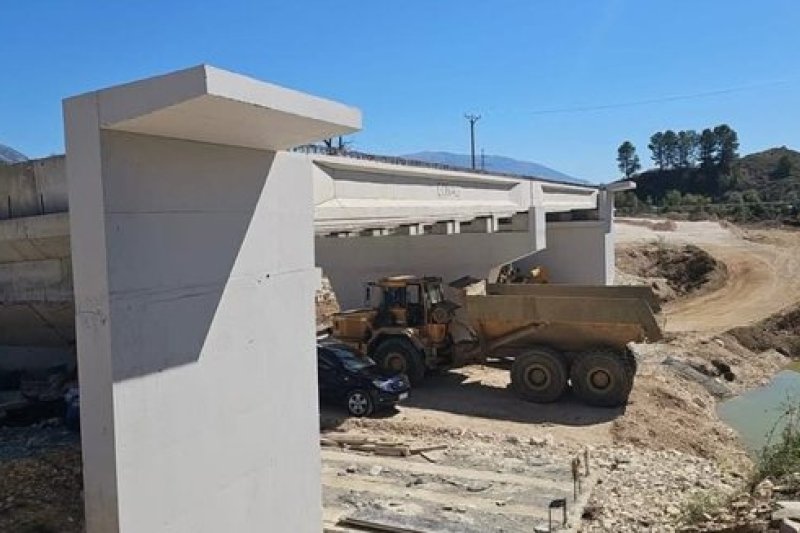
"Implementation is progressing across all project components. Civil works on the Viroi Bridge are largely complete, and the bridge is open to traffic. The contract for the Beshiri Bridge has been awarded, and procurement procedures for civil works on 10 other bridges are underway or expected to begin soon," the report states. The project aims to enhance the resilience of critical bridge infrastructure against climate change and natural disasters, as well as to improve the management of road and bridge assets.
Performance data indicate that, as of March 2026, only one bridge had been rehabilitated, reconstructed, or built to international climate-resilience standards, against a target of 30 bridges by March 2031.
The number of beneficiaries with improved access to transport services remains at zero, compared to a target of 350,000 people. Similarly, the indicator for daily road users benefiting from safer bridges remains at zero, against a target of 200,000.
However, design work is further advanced. By March 2026, 13 bridge designs had been completed in accordance with international guidelines for climate and disaster resilience, out of a target of 15 set for March 2029. Public consultations and surveys have been conducted for 86% of the projects, and the same percentage has undergone a climate resilience audit before construction. Meanwhile, the report highlights that some of the instruments intended for road and bridge management have not yet been put into use.