
Amnesty Law, EUR 313M Worth of Tax Liabilities Erased
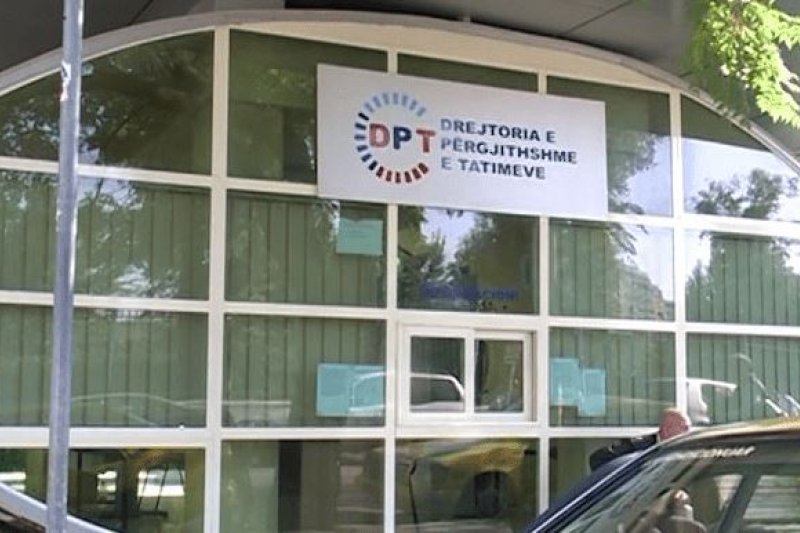
The General Directorate of Taxes continues the implementation of the process of automatic erasure of tax liabilities for beneficiary entities, in accordance with the Law “On the Erasure, Extinction and Payment of Tax Liabilities”.
According to the tax administration, so far, tax liabilities worth Euro 313 million have been erased for 121,630 taxpayers, while the process will continue for all beneficiaries who meet the criteria set out in the law.
The law provides for relief for unpaid tax liabilities to the central and local tax administration, as well as for certain liabilities payable to customs, with the aim of clearing tax accounts and easing the burden for beneficiary entities.
The Tax Administration announces that the implementation of the scheme is continuing according to the established procedures, while taxpayers continue to be notified through the administration's electronic channels.
Effective throughout 2026, the law offers partial and full cancellations of tax, customs, and social contribution liabilities accrued since 2014, while actively encouraging voluntary compliance and asset declarations.
The comprehensive tax and criminal amnesty has faced scrutiny and debate, particularly concerning the validation of undeclared monetary amounts and assets.
The International Monetary Fund (IMF) strongly opposes Albania’s tax amnesty and Fiscal Peace Agreement. In its 2025 Article IV Consultation and subsequent policy statements, the IMF explicitly warns that the framework poses a direct threat to macroeconomic stability, long-term tax collection, and governance.
Also, the European Union’s stance aligns closely with the IMF's criticisms, viewing the tax amnesty framework (Law No. 86/2025) as a critical risk to Albania’s integration prospects. While the IMF targets the immediate impact on fiscal revenue and local compliance, the EU approaches it through the lens of international security, anti-money laundering (AML) controls, and accession requirements.
Also, independent economic analysts, legal experts, and business leaders strongly criticize Albania’s 2026 Fiscal Peace Agreement. While the government presents it as a tool to formalize the economy and generate immediate revenue, local experts view the policy as a destabilizing measure that rewards tax evasion.